Spanish child’s amulets (dijes & chupadores)
Meaning
Spanish children's amulets gathered many protections into one belt or chain (dijes): jet higas, crystal balls, horse chestnuts, badger claws, silver bells, coral branches, St Anthony and Virgin medals, hearts, and 'chupadores' to suck on. Each item answered a particular danger.
Intent
They protected infants, most at risk from mal de ojo, illness and teething, and were shown off as family wealth and devotion. The chestnut and badger claw guarded against the evil eye, and the crystal ball reflected it back.
Significance
They are superbly recorded in Spanish royal portraits (Pantoja de la Cruz, Velázquez), where princes wear full amulet belts, and they show Catholic and pre-Christian protection worn together on the same child.
History
Amulet belts were worn in Spain from the 16th century (visible in royal portraits) to the early 20th century, with the richest examples from the 17th–18th centuries.
Making yours
Silver chain or belt with 5–15 dangling charms, each in a silver cap. The horse-chestnut and badger-claw mounts are distinctive.Mediterranean & Iberian Folk: the tradition
Southern Italy and Spain kept the Roman fight against the evil eye going without a break. In Naples the belief in jettatura, the unlucky glance, was taken seriously enough that 19th-century gentlemen made the horns sign in their pockets; Nicola Valletta's Cicalata sul fascino volgarmente detto jettatura (1787) is its classic text. Spanish children wore belts hung with jet higas, crystal, coral and chestnuts. Walter Leo Hildburgh collected thousands of these amulets in the early 20th century and gave them to the Victoria and Albert Museum, the Pitt Rivers and the Wellcome, which is why so many are in British museums today.
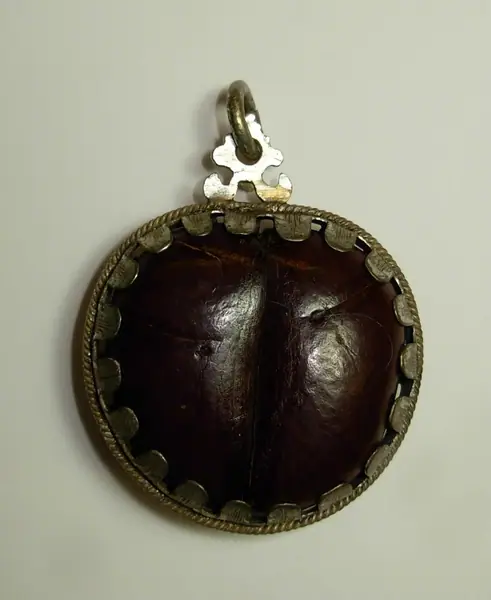 Horse chestnut amulet in a silver-plated frame, Salamanca (Spain), 1800-1870Salamanca · 1800-1870
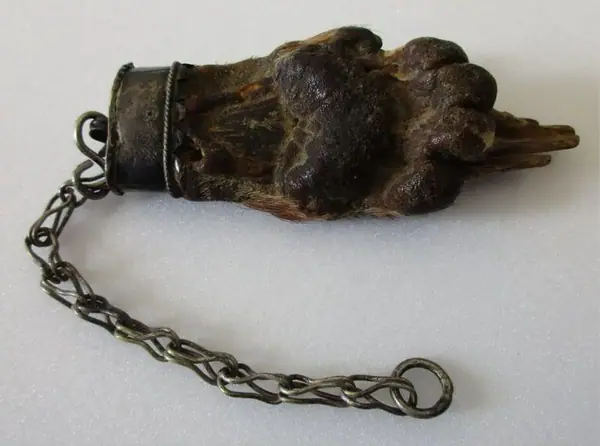 Badger's paw amulet mounted in silver, Seville (Spain), 1800-1899Seville · 1800-1899
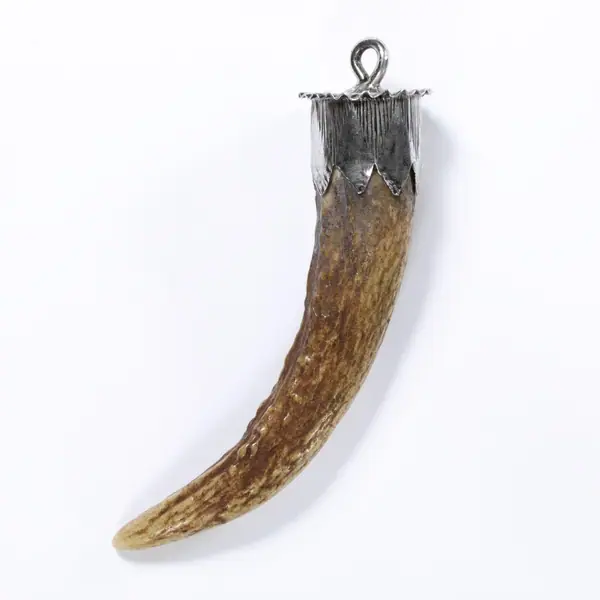 Amulet of stag's antler mounted in silver, Spain, 1800-1899Spain · 1800-1899
 Pendant amulet of a fish's ear-bone mounted in silver, Toledo (Spain), 1800-1899Toledo · 1800-1899
 Boar's tusk amulet mounted in silver, Madrid (Spain), 1800-1899Madrid · 1800-1899
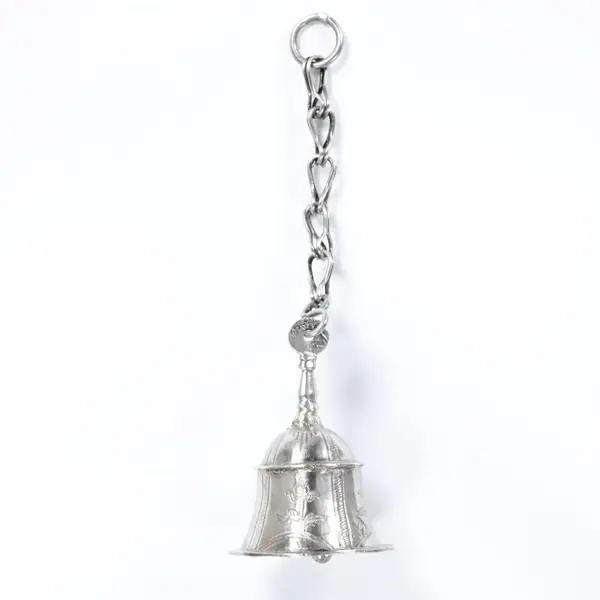 Silver amulet shaped like a bell (campanilla), Cordoba (Spain), 1793Cordoba · 1793
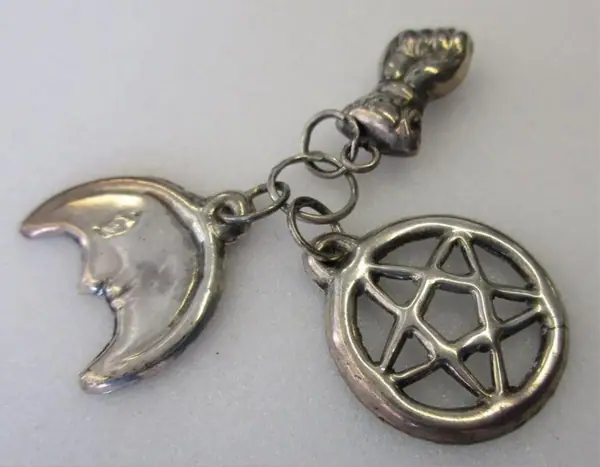 Three silver amulets, shaped like a star, a fist and a crescent moon, Madeira (Portugal), 1890-1910Madeira · 1890-1910
 Silver amulet, shaped like a siren, on a decorative chain, Saragossa (Spain), 1800-1850Saragossa · 1800-1850
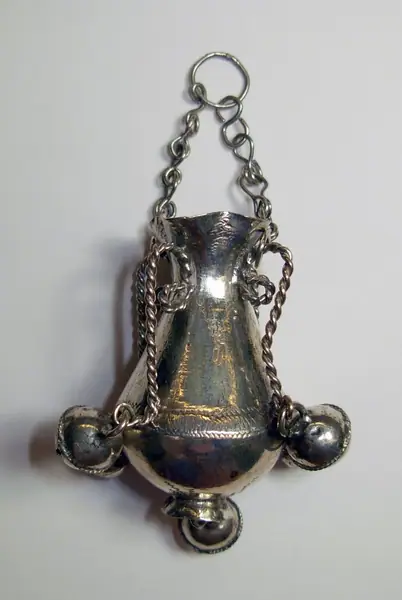 Child's silver amulet ( cascabelera ) shaped like a vase, with pendant bells, Andujar (Spain), 1865-1870Andujar · 1865-1870
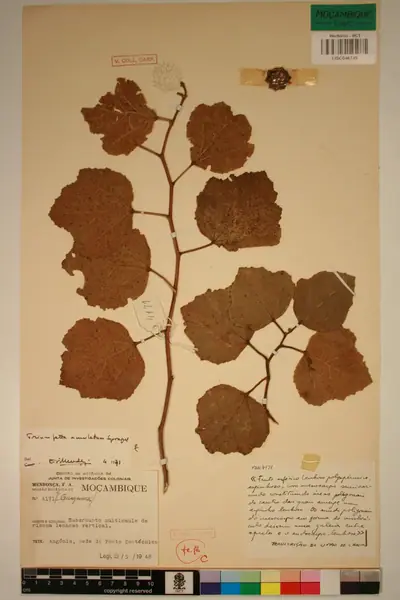 Triumfetta amuletumPortugal · 1948
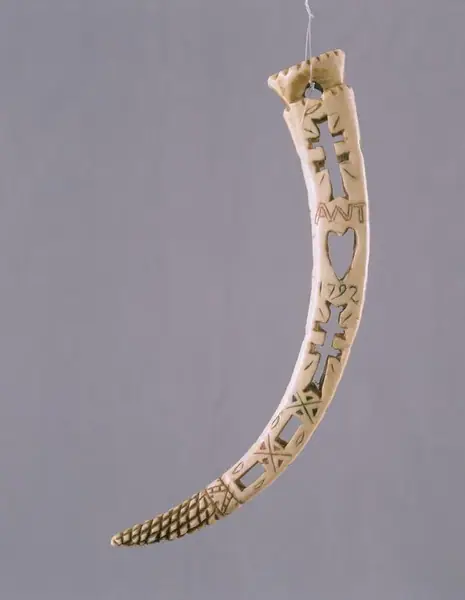 Material/Tècnica: os / incisions, pintatSpain · 1792
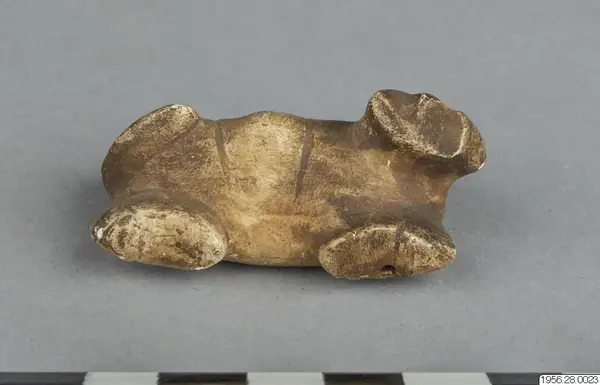 Cast amulet from SpainSpain
 Amulet from SpainSpain
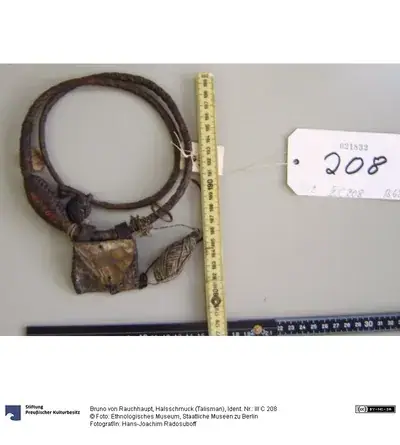 Halsschmuck (Talisman)Spain
 Amulet (image 2 of 2)8th-10th century
 Cloth amulet, Spain, 1800-1920Spain
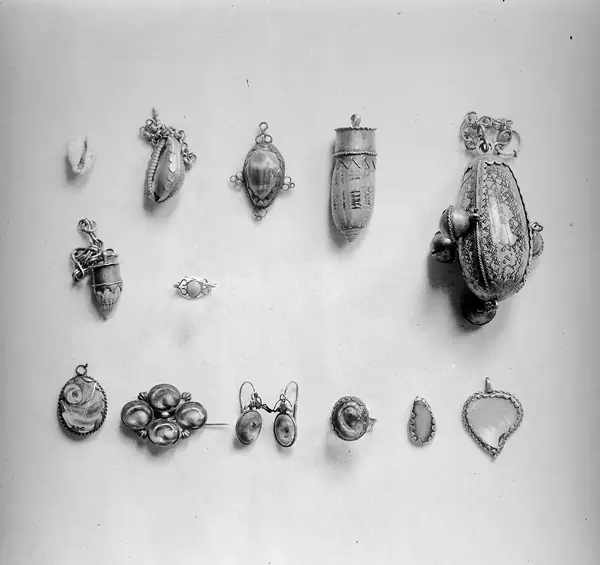 M0016774: Spanish amulet: shells
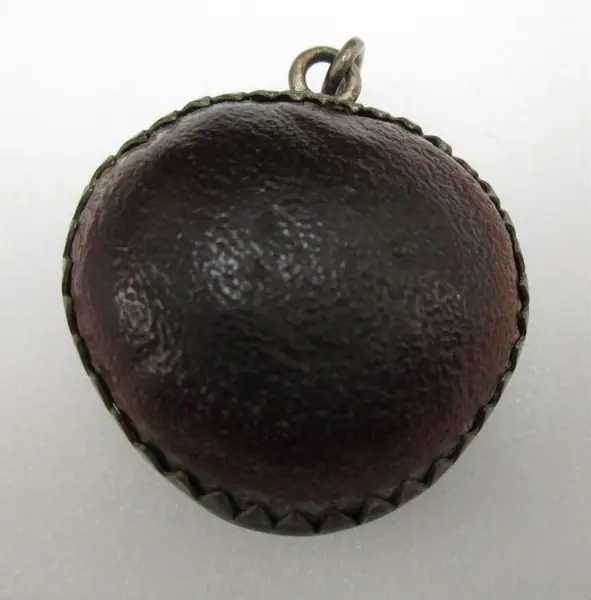 Sea-bean (Mucuna) amulet set in a silver mount, Seville (Spain), 1800-1899Seville · 1800-1899
 Amulet of a tent olive shell mounted in silver, Spain, 1800-1899Spain · 1800-1899
 Child's silver amulet ( cascabelera ), shaped like a pierced ball with pendant bells, Toledo (Spain), 1865-187Toledo · 1865-1870
 Pointed bone amulet ( cuerno ) in a silver mount, Cordoba, (Spain), 1865-1870Cordoba · 1865-1870
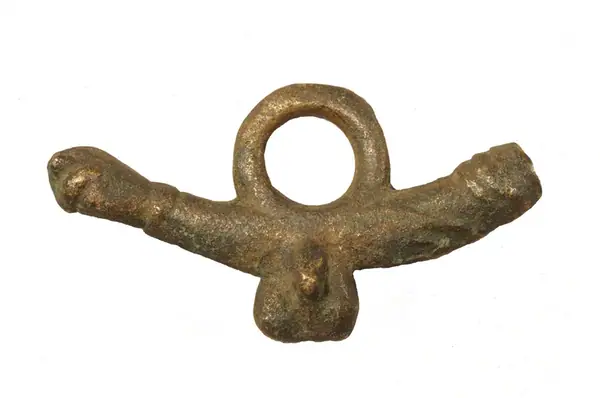 Amulet fàl·licSpain
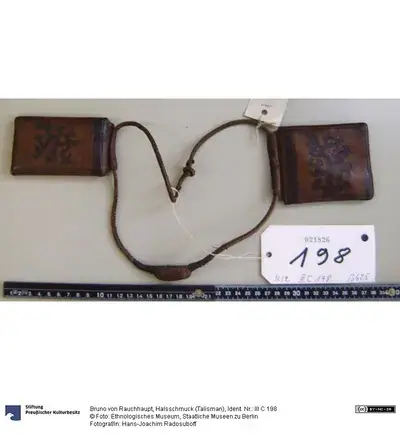 Halsschmuck (Talisman)Spain
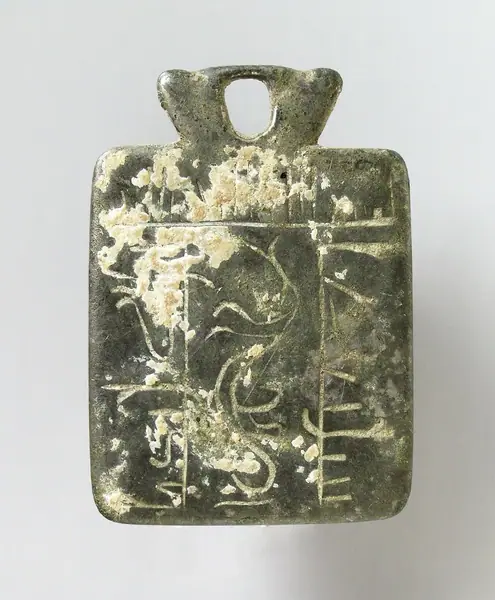 Amulet (image 1 of 2)8th-10th century
 Amuleto - Museo de JaénSpain
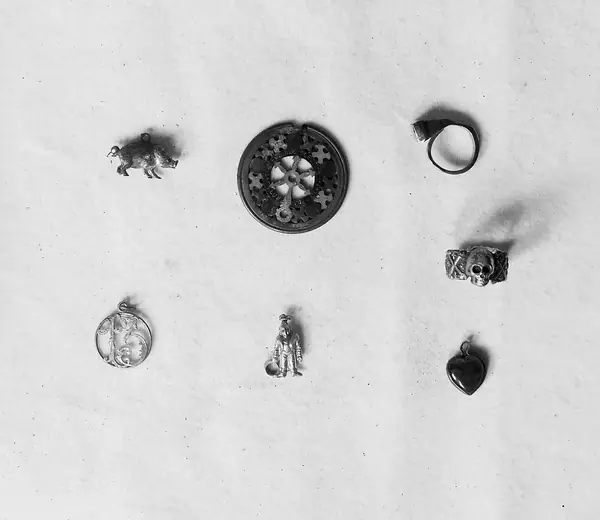 M0016770: Spanish amulets
 Silver amulet ( sonajero ), shaped like a lion, on a decorative chain with bells, Spain, 1750-1850Spain · 1750-1850
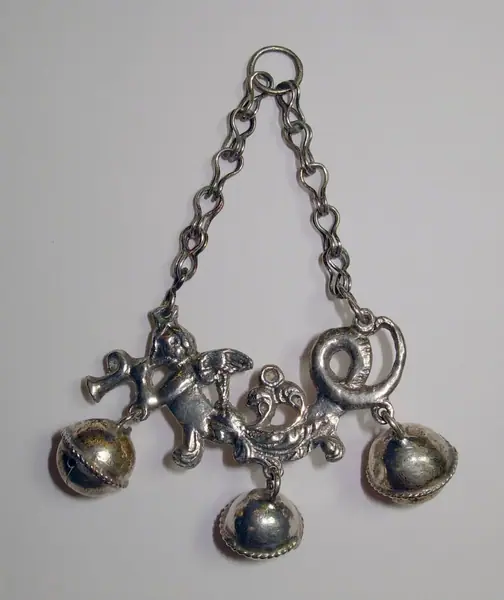 Silver amulet for a child ( sonajero ), shaped like a winged siren with bells, Cordoba (Spain), 1750-1850Cordoba · 1750-1850
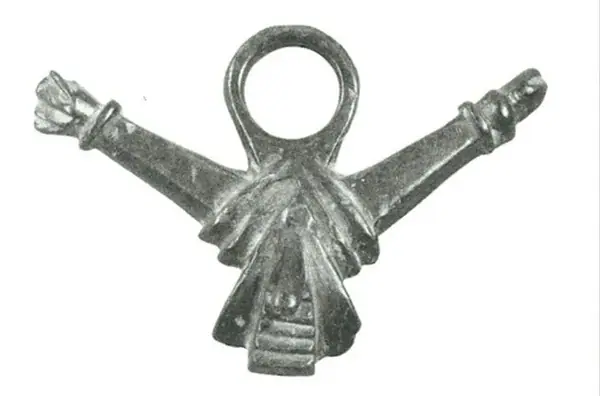 Amulet fàl·licSpain
 Heart-shaped and eye-shaped, amulets.
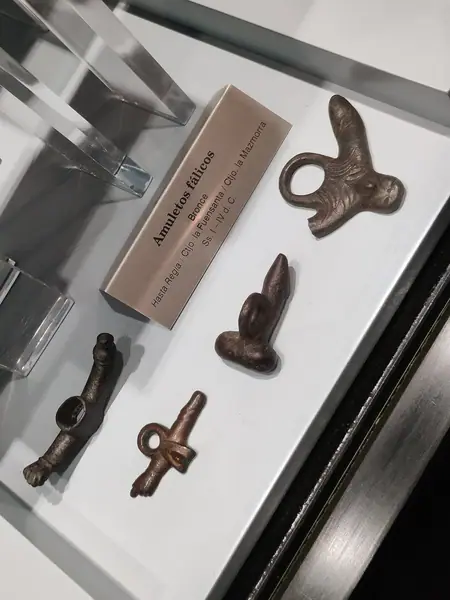 Museo Arq Municipal-Jerez-IMG 20241005Spain
 M0016777: Spanish compound amulets
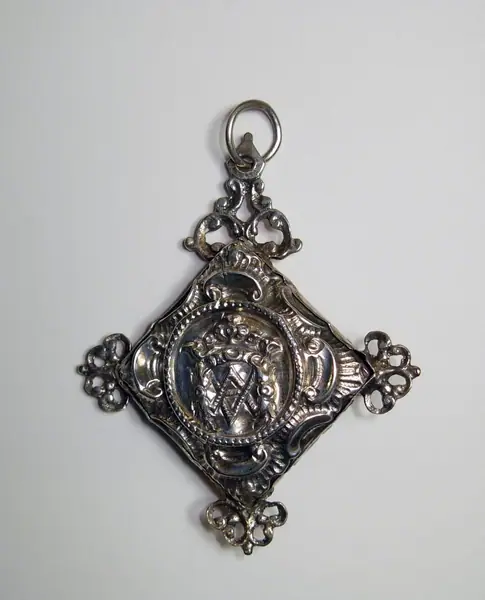 Lozenge-shaped silver amulet case with Christian symbols, Cordoba (Spain), 1865-1870Cordoba · 1865-1870
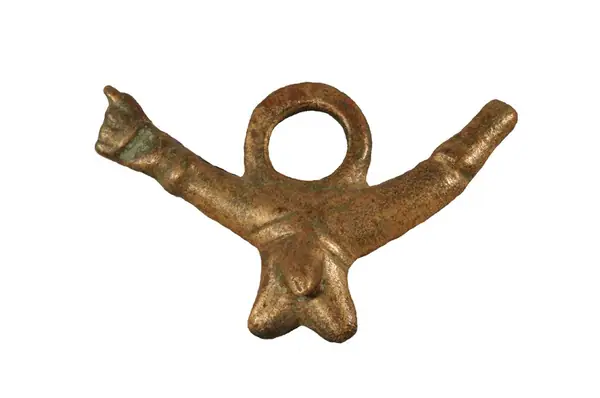 Amulet fàl·licSpain
 Sanandresiños
 Nómina de Barcarrota (1551)Spain
 M0016773: Spanish amulets: teeth
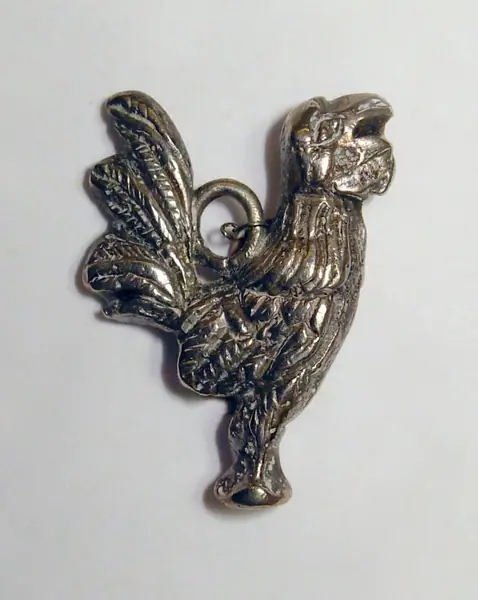 Small silver charm in the form of a cock crowing, Cordoba (Spain), 1865-1870Cordoba · 1865-1870
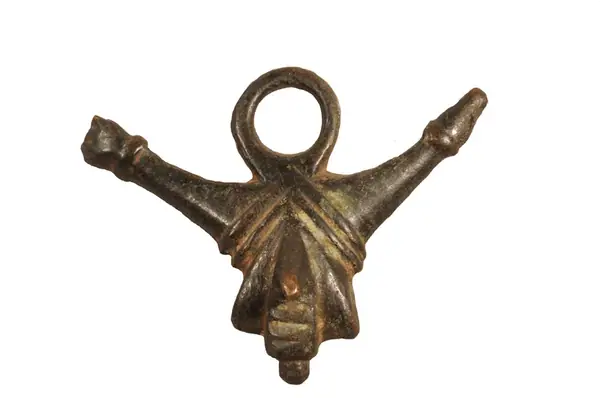 Amulet fàl·licSpain
 Spanish amulets; teeth.
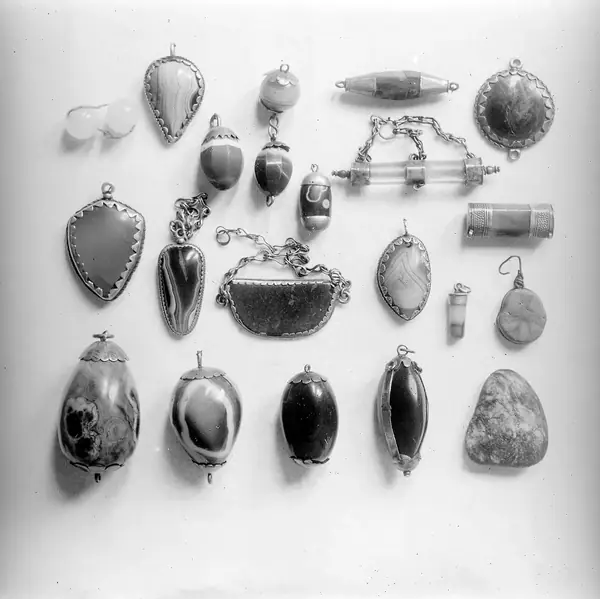 M0016771: Spanish amulets: stones
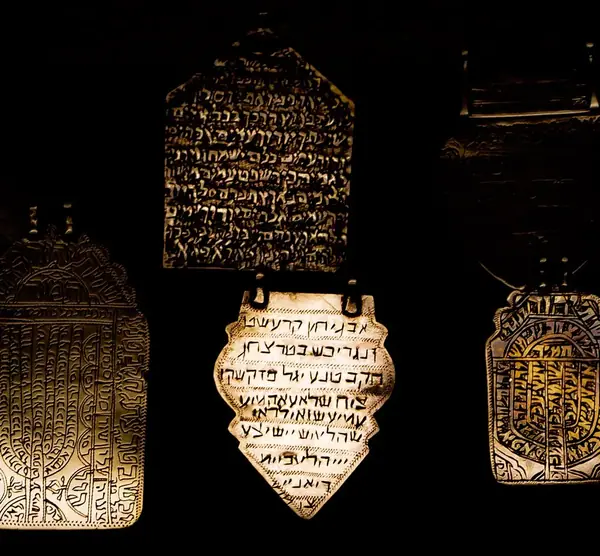 Amuletos en la sinagoga del Tránsito (Toledo) (7214179868)
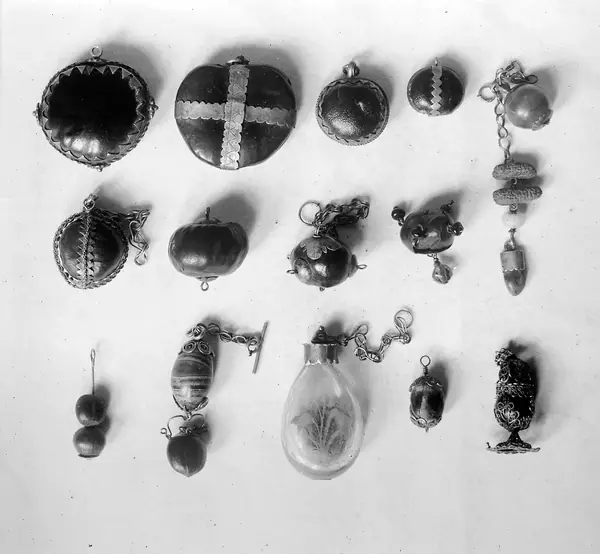 M0016775: Spanish amulets: vegetable products
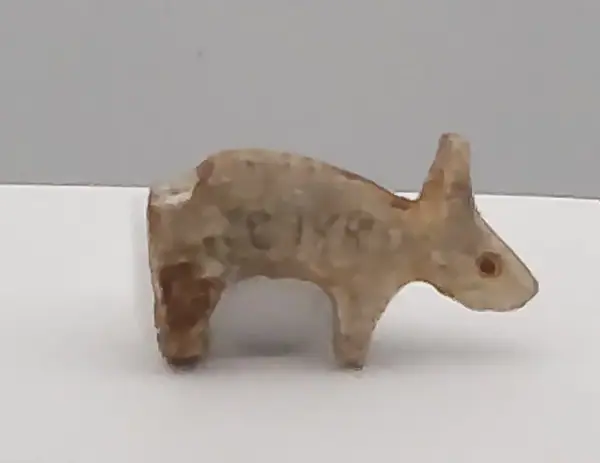 GrutasdoPoçoVelho Amulet
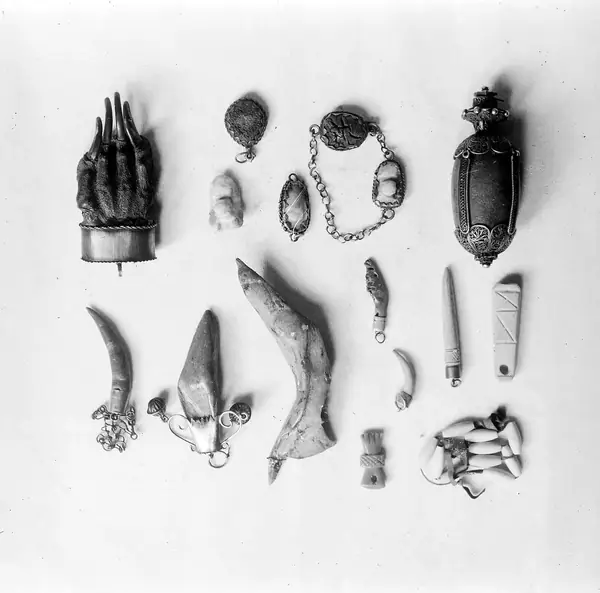 M0016776: Spanish amulets: animal products
 Necklace with amulets to ward off evil - Jewish - Los Roquetes (Catalonia) - c. 1350
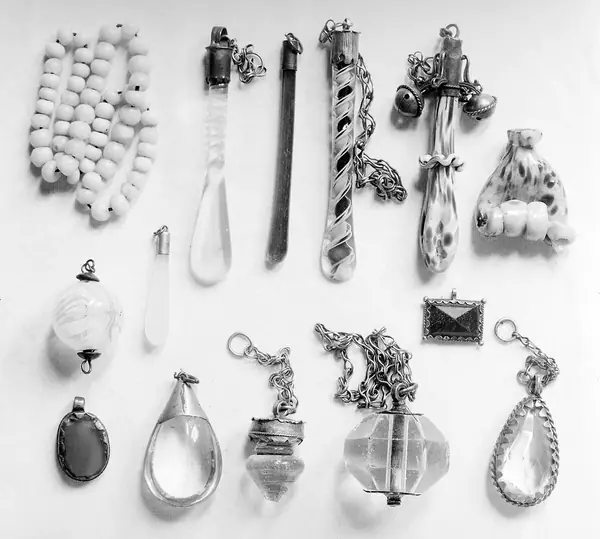 M0016759: Glass amulets and beads, Spanish
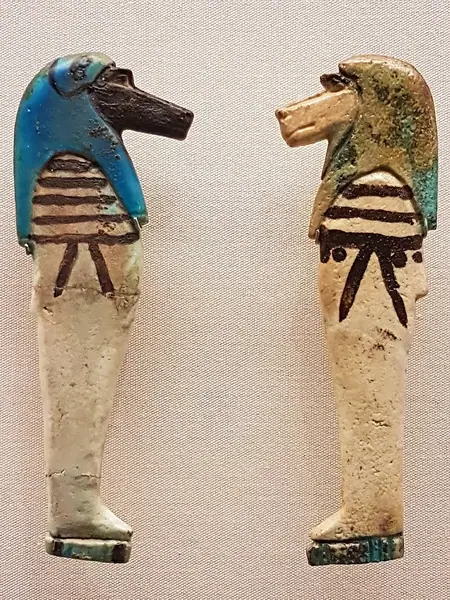 Portugal, Lisbon, Gulbenkian Museum, Egyptian Amulet (52594176939)
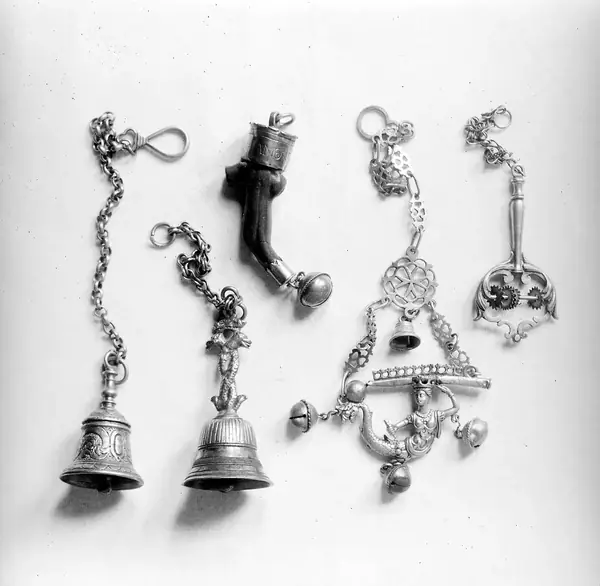 M0016764: Spanish amulets shaped as bells
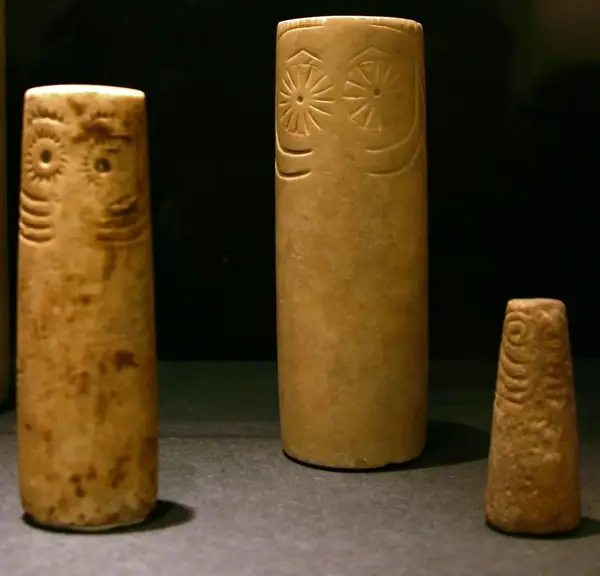 Pre-historic amulets - Museo Arqueológico de Sevilla
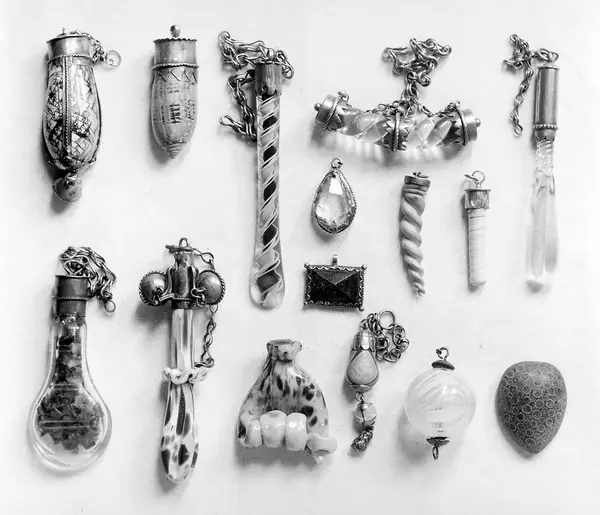 M0016760: Glass amulets with facets and twists, Spanish
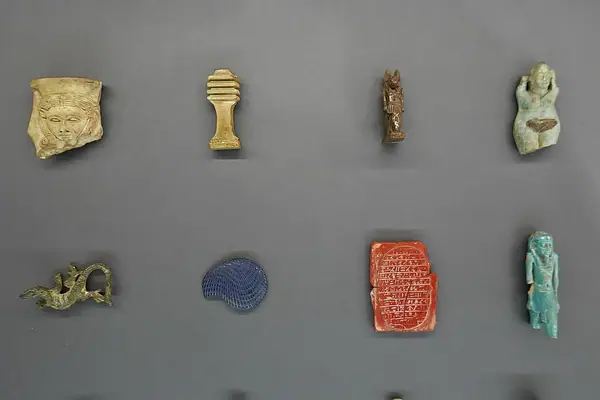 Amuletos egipcios, Universidad de Sevilla
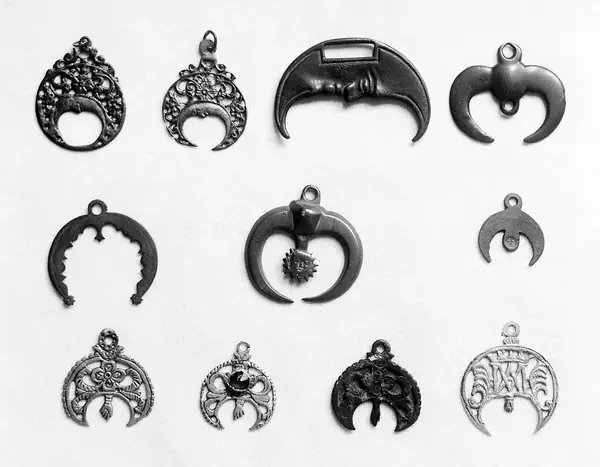 M0016761: Spanish amulets with lunar crescents in inner curves
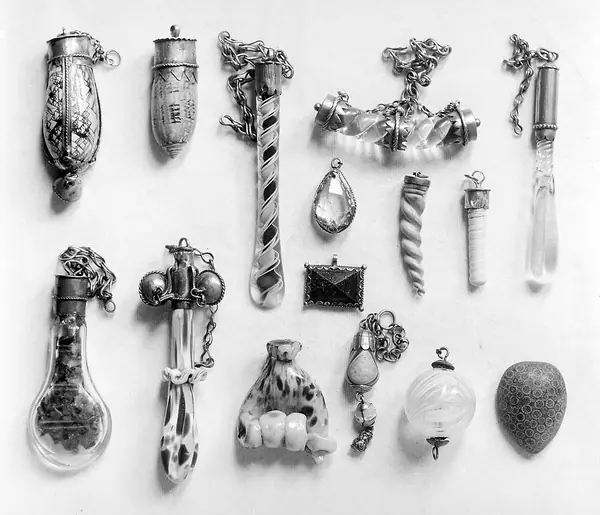 Glass with facets and twists.
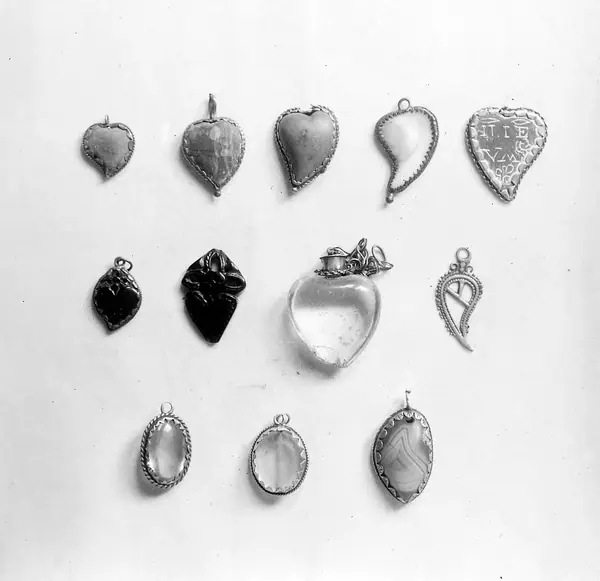 M0016765: Spanish amulets: heart forms and eye forms made from stone, shell, slate, jet, glass, silver and agate
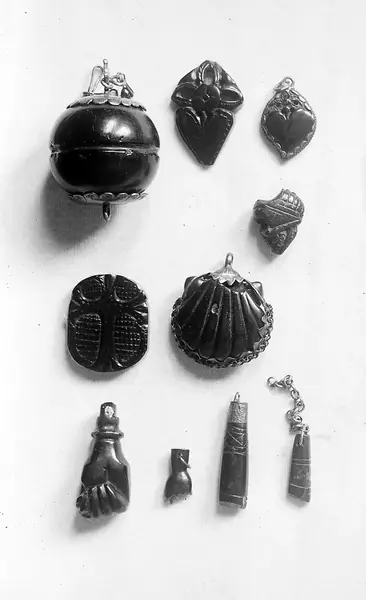 Jet bead, heart forms, St. James shell.
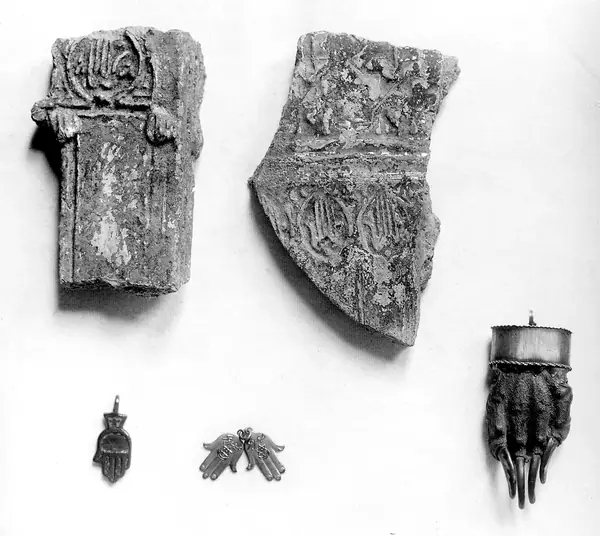 M0016755: Spanish amulets shaped as open hands, fragments of glazed pottery (Andalusian), copper and blue enamel pendant, white metal pendant with Arabic inscription and a badger's hand
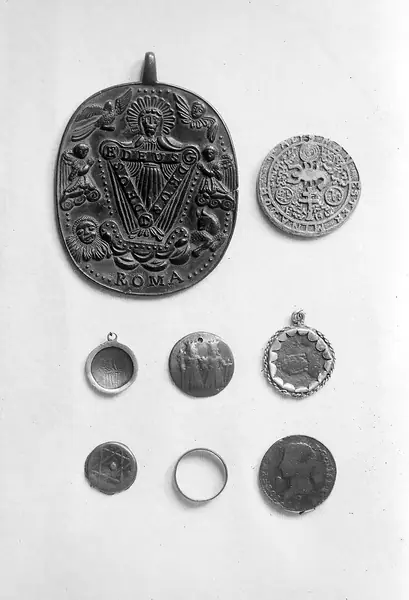 Medals and coins, inc. Byznatine coin.
 Spanish compound amulets
 Walter scott the talisman Catalan translation year 1922 el talisma Walter Scott
More from Mediterranean & Iberian Folk: Cimaruta (sprig of rue) · Cornicello & horn amulets · Higas & figas (fig-hand) · Neapolitan charms (sirena & others) · Other & unsorted Mediterranean
Every type in the gallery
Anything in the gallery can be made: any piece, any tradition, in its own material or yours, by hand from the documented original. Numbered. Price on commission, quoted before anything is made. I reply within one business day.