Hei-matau & Māori pendants
Meaning
The hei-matau is a stylised fish-hook, standing for Māui, who fished up the North Island (Te Ika-a-Māui), and for the sea's abundance. The twist (pikorua) means lives joined forever, and the koru spiral means new life and growth.
Intent
Matau pendants were worn for safe travel over water, prosperity and good health; pikorua for friendship and the joining of peoples; koru for new beginnings. Today they are often given as gifts to mark bonds.
Significance
Māori pendants are among the most popular modern Pacific jewellery, and pounamu is traditionally meant to be gifted, not bought for oneself.
History
Bone and stone hook pendants appear in early Māori sites (14th century). The ornamental hei-matau became widespread in the 19th century and exploded in popularity in the late 20th.
Making yours
4–10 cm pounamu, bone or whale ivory, carved with a hand drill and abrasives.Oceania: the tradition
Across Polynesia, power resided in mana, a sacred force that flowed from ancestors and gods and could be held in objects, especially those passed down through generations. Māori pounamu (greenstone) taonga (treasures) accumulated mana with each wearer. Hawaiian chiefs wore whale-ivory and human-hair lei niho palaoa as signs of divine rank. In Melanesia, charms for love, canoe voyages, war and gardens were made by specialists and kept secret. Many Pacific taonga were taken by collectors, and New Zealand and Hawaiian institutions now lead efforts to bring them home.
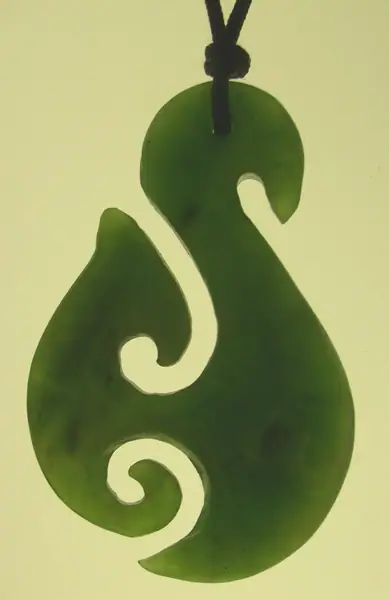 Pounamu Hei matau pendant 1
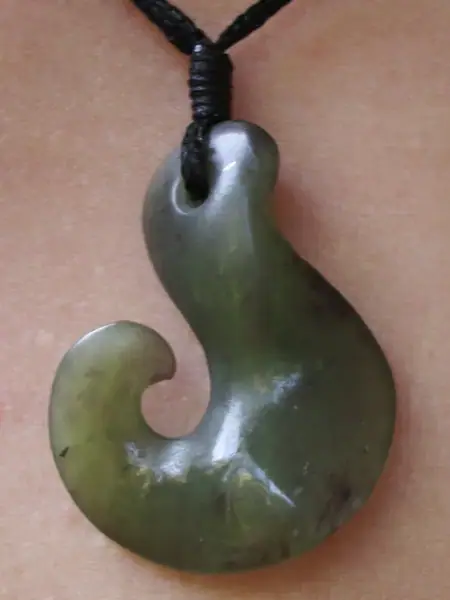 Hokitika6
 Pounamu Hook1
 Hey matey 001
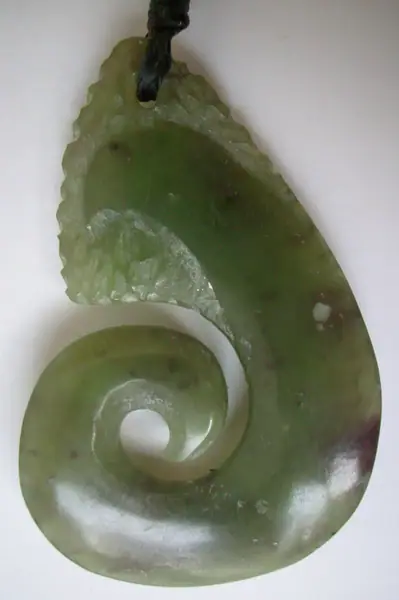 Pounamu 8a
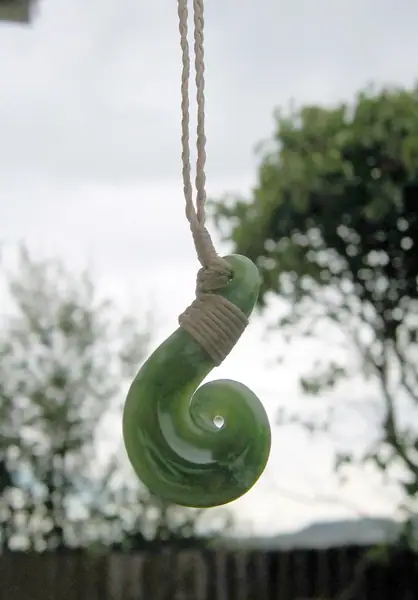 Pounamu pendant
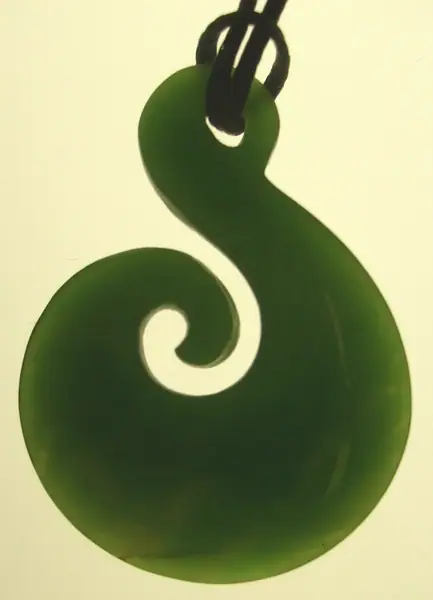 Pounamu Hei matau pendant 3
 Pounamu 8d
 Stylised hei matau
 Greenstone jewellery 4
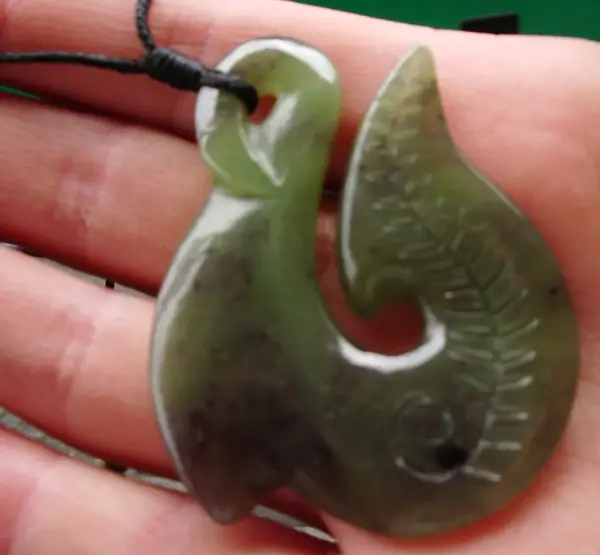 Pounamu Hook2
More from Oceania: Hei-tiki · Melanesian & Pacific charms · Other & unsorted Oceania
Every type in the gallery
Anything in the gallery can be made: any piece, any tradition, in its own material or yours, by hand from the documented original. Numbered. Price on commission, quoted before anything is made. I reply within one business day.