Pazuzu heads & figures
Meaning
Pazuzu, son of Hanbi, is king of the evil wind-demons. He has a dog- or lion-like face, bulging eyes, scorpion tail, bird talons and four wings, and brought pestilence on the hot winds. He is terrifying by design.
Intent
His image was used against a greater evil: Lamashtu, the child-killing demoness, whom only he could drive back to the underworld. Pazuzu heads were hung on cords by pregnant women and infants, placed in houses, and set on Lamashtu plaques. The principle is 'set a monster to catch a monster'.
Significance
Pazuzu is the classic case of an apotropaic demon: a malevolent being enlisted for protection. The same logic runs through the gorgoneion and gargoyles. Modern audiences know him as the demon of The Exorcist (1973), whose opening scene features a Pazuzu statue in Iraq.
History
Pazuzu amulets date to the first millennium BCE, especially the Neo-Assyrian and Neo-Babylonian periods (c. 900–539 BCE). They are found in Assyria, Babylonia, Iran and as far as the Mediterranean coast. The Louvre bronze statuette (AO 22205) is the best-known image.
Making yours
Heads 2–10 cm with a loop on top. Cast bronze, or carved faience and stone. Deeply grooved snarling face and hollow eyes.Ancient Near East & Levant: the tradition
Mesopotamian protection grew out of a world crowded with named demons, each with a job: Lamashtu killed infants, the utukku haunted, fever demons struck. Exorcists (ashipu) wrote incantation series such as Maqlû and the Lamashtu texts, and amulets put those texts and images to work. Carved stone animal seals of the Uruk period (c. 3500 BCE) are among the oldest amulet-seals anywhere. In the first millennium BCE, Neo-Assyrian and Neo-Babylonian households hung Pazuzu heads and Lamashtu plaques. Phoenician traders spread Egyptianising amulets and glass faces across the Mediterranean, and in Sasanian Mesopotamia Jews, Christians and Mandaeans buried inscribed incantation bowls under their floors.
 Kopf des Dämons PazuzuKarlsruhe
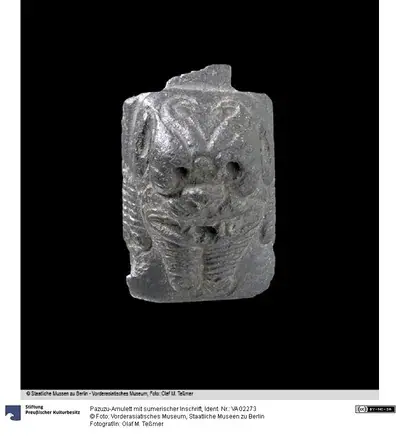 Pazuzu-Amulett mit sumerischer InschriftGermany
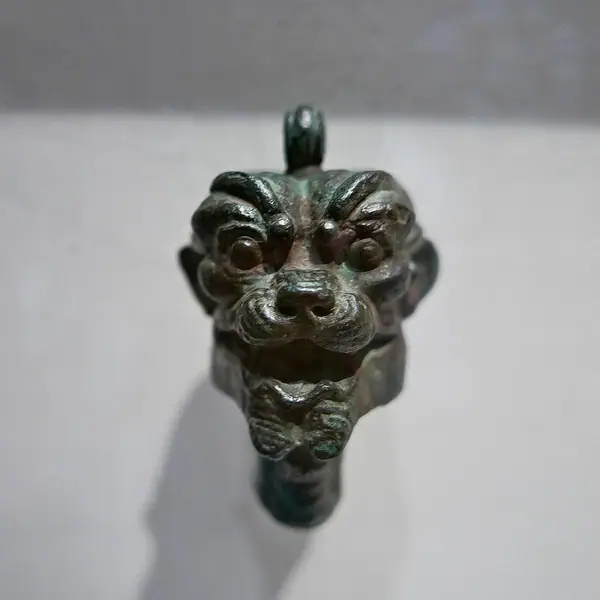 Amuleto de Pazuzu, British Museum800-500 a.C.
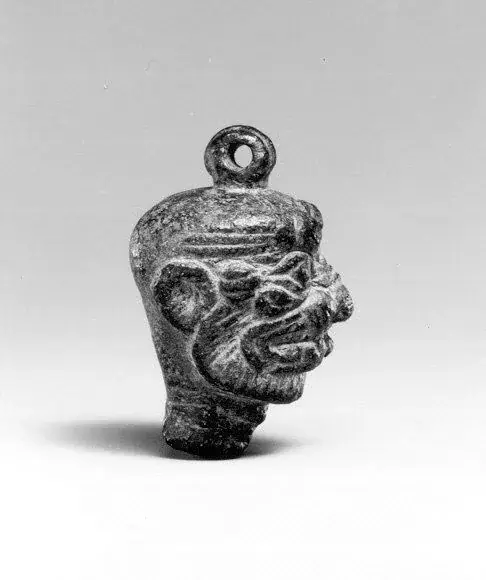 Pendant with the head of Pazuzuca. 8th–7th century B.C.
 Hellfest2018OranssiPazuzu
 Oranssi Pazuzu @ Roadburn Festival 2017
 Oranssi Pazuzu @ Soulcrusher 2021-10
 Oranssi Pazuzu at Doornroosje 2024
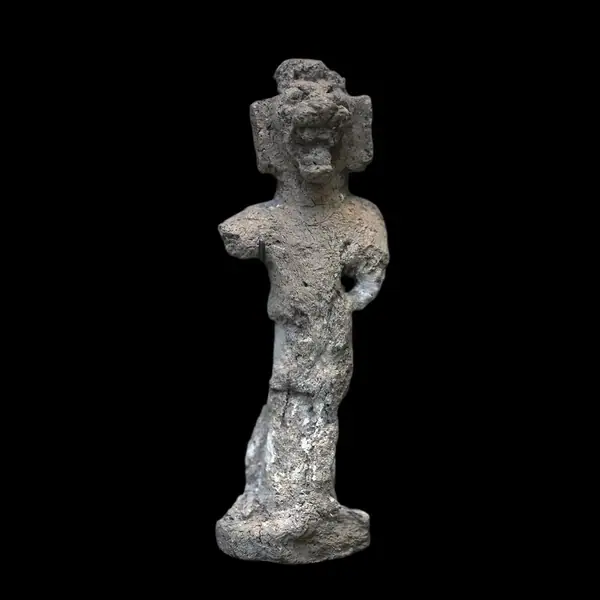 Pazuzu-N 8287-IMG 8961
 Sólstafir at Le Metronum, 20241128
 Pazuzu jaspe rouge AO 26056
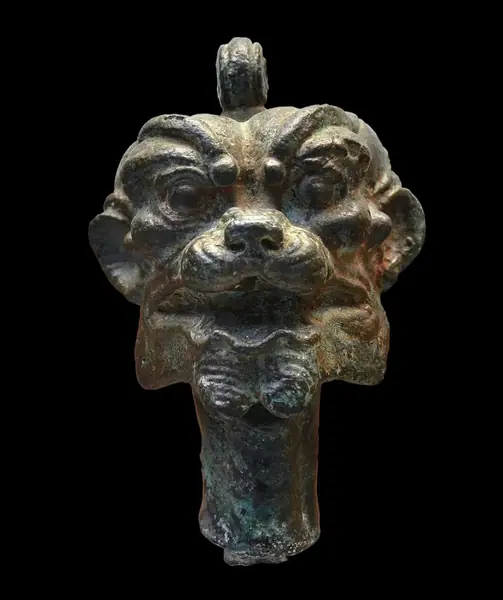 British Museum Bronze head Pazuzu B 27072013 BB
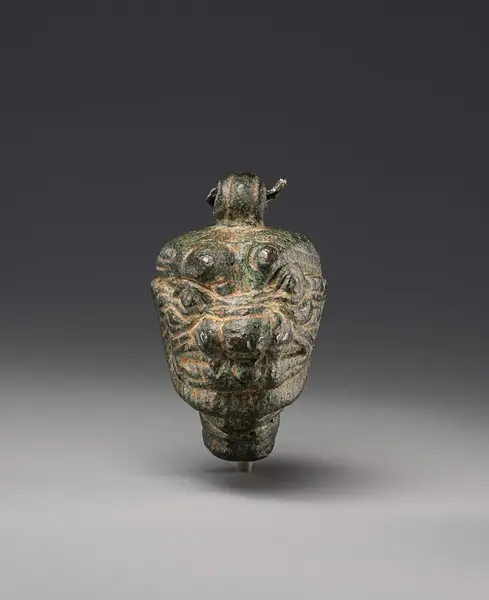 Mesopotamian pendant with the head of Pazuzu
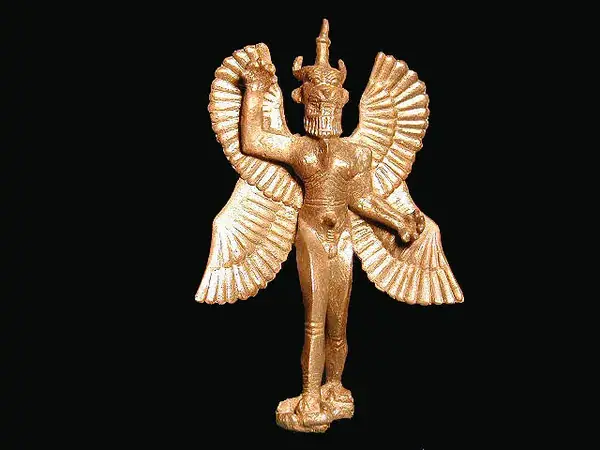 Pazuzu
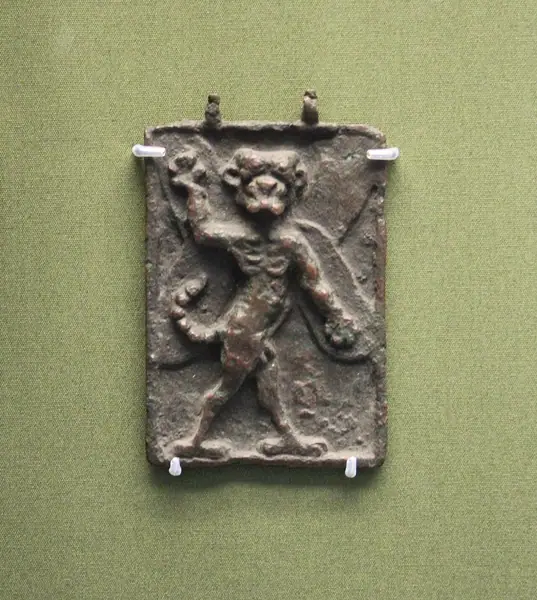 Pazuzu amulet 86263
 Sceau cylindre tete Pazuzu AO 21111
 Oranssi Pazuzu 2024
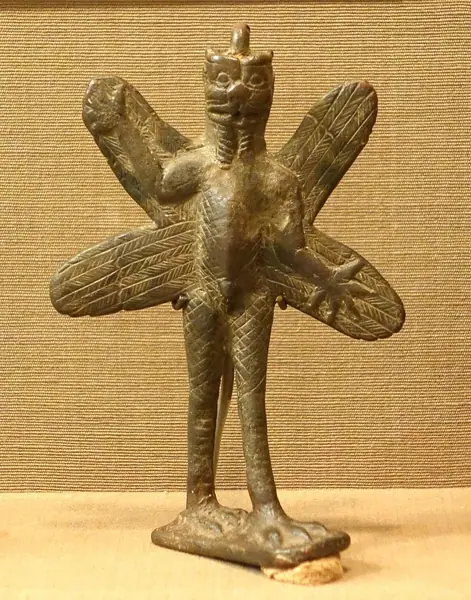 Pazuzu demon figurine, Iraq, Neo-Assyrian period, 900-612 BC, bronze
 Oranssi Pazuzu Roadburn 2017 2
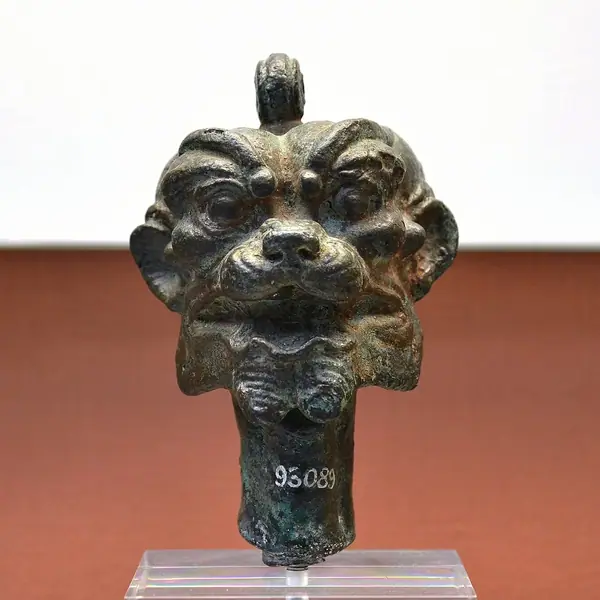 British Museum Bronze head Pazuzu
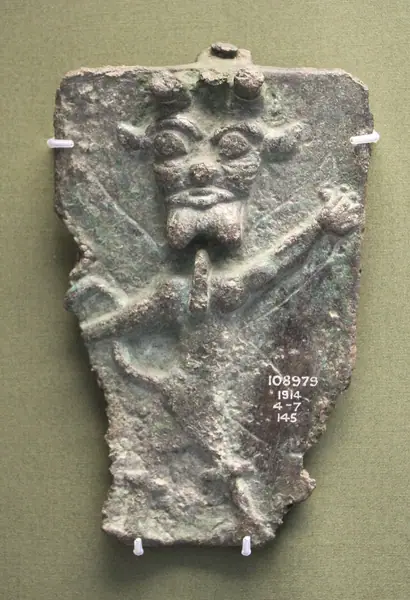 Pazuzu amulet
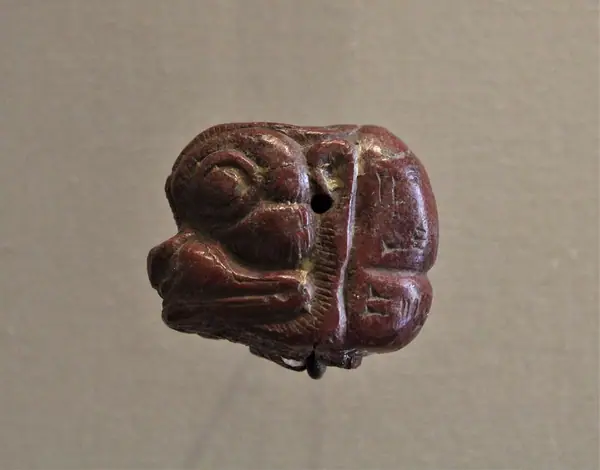 Pazuzu tete pierre rouge AO 1000
 Periodo neo assiro, figurina del demone pazuzu, 900-612 ac ca
 Terracotta amulet of Pazuzu, 2x1 cm. From Iraq. Old-Babylonian period 2004-1595 BCE. Sulaymaniyah Museum, Iraq
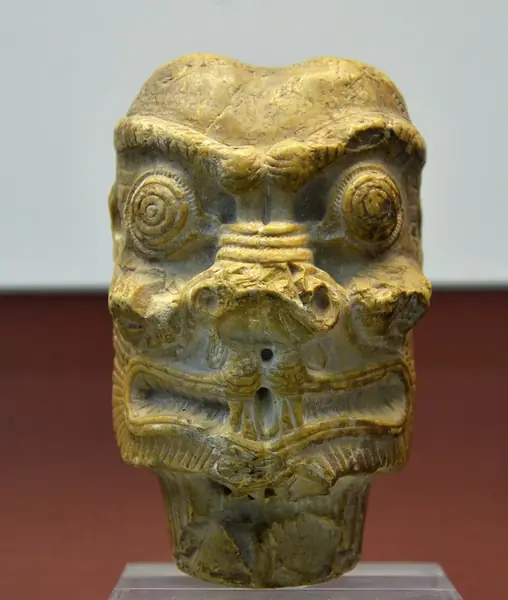 British Museum Stone head Pazuzu
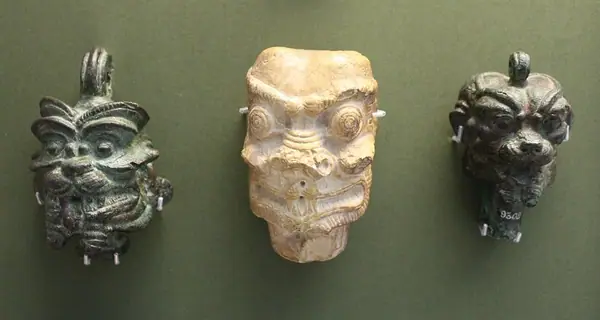 Pazuzu heads BM
 Oranssi Pazuzu - FME 2012
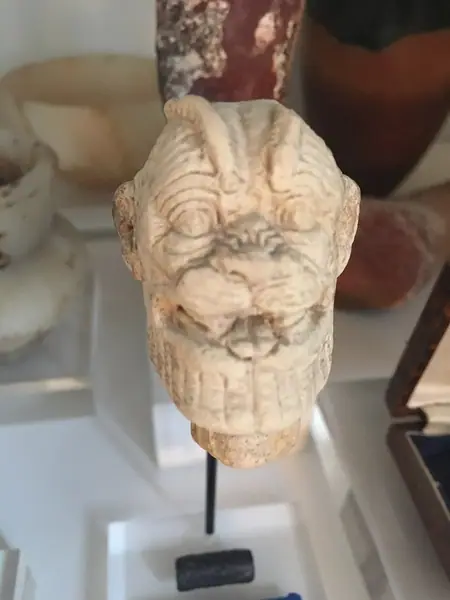 Neo-Assyrian head of Pazuzu c600-700 BCE. Eltringham Collection
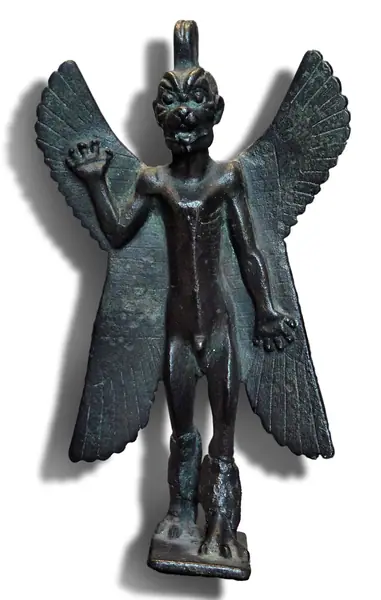 PazuzuDemonAssyria1stMil 2
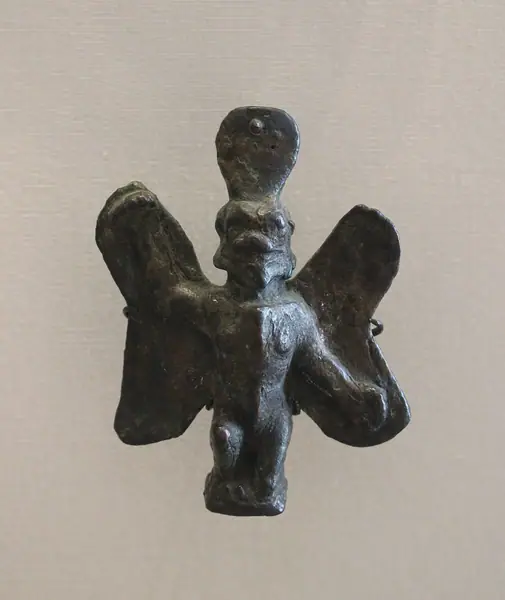 Pazuzu bronze AO 6692
 Oranssi Pazuzu Roadburn 2017
 Oranssi Pazuzu live 2014
More from Ancient Near East & Levant: Lamashtu plaques · Stamp-seal & animal amulets · Eye idols · Phoenician & Punic glass faces · Aramaic incantation bowls · Luristan & Iranian bronze charms · Other & unsorted Ancient Near East
Every type in the gallery
Anything in the gallery can be made: any piece, any tradition, in its own material or yours, by hand from the documented original. Numbered. Price on commission, quoted before anything is made. I reply within one business day.