Bes & Taweret, guardians of the household
Meaning
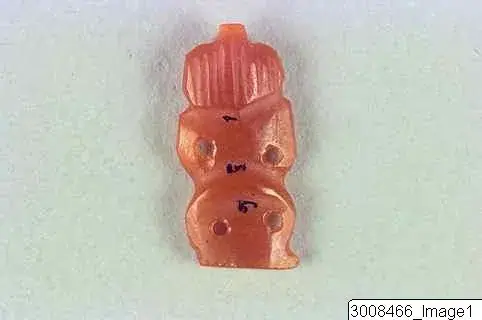
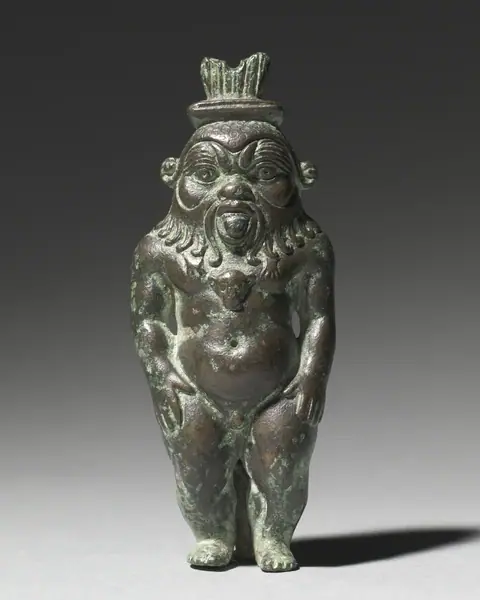
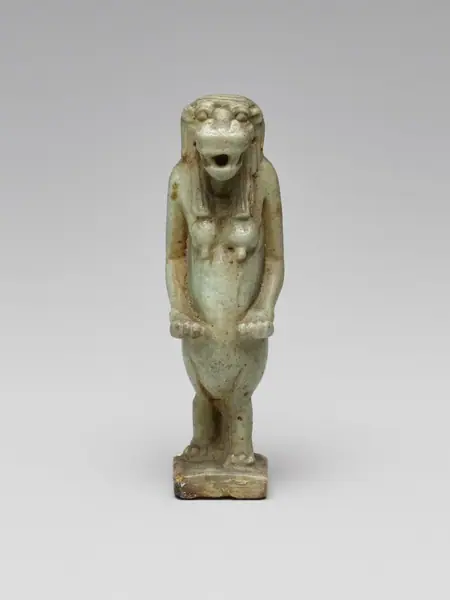
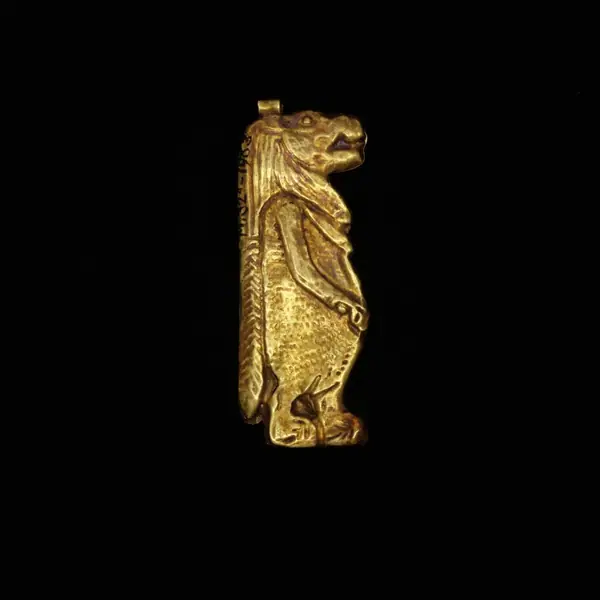
Bes is a lion-maned dwarf god with a protruding tongue, feathered crown and bowed legs, and he is fierce, comic and protective. Taweret ('the great one') combines a pregnant hippopotamus, lion paws and a crocodile's back, joining the most dangerous animals of the Nile to defend the helpless.
Intent
They guarded the household at its most vulnerable moments: pregnancy, childbirth, infancy and sleep. Women and children wore them, they were carved on beds and headrests, and Bes danced and played music to frighten away snakes, scorpions and evil spirits. Taweret stood by the birthing brick.
Significance
Unlike the great state gods, Bes and Taweret were popular household deities worshipped without temples, so their amulets show everyday Egyptian religion. Bes was so loved that he travelled to Phoenicia, Cyprus, Carthage and Ibiza (whose name may derive from him) and became a Roman soldiers' charm.
History
Bes-like figures appear in the Middle Kingdom on ivory birth wands. Bes amulets become common in the New Kingdom and very popular in the Late and Graeco-Roman periods. Taweret amulets span the Middle Kingdom to the Ptolemaic period, and her image was even adopted in Minoan Crete as the 'Minoan genius'.
Making yours
Frontal Bes (1–6 cm) has a feather crown, protruding tongue and bowed legs. Taweret stands upright and in profile. Blue-green faience is standard; mould-press both halves and join.Ancient Egypt: the tradition
Amulets appear in Egyptian graves before writing, in the Badarian and Naqada cultures of the fifth and fourth millennia BCE, as shells, stones and simple animal shapes. With the Old Kingdom the repertoire grew into a systematic vocabulary of hieroglyph signs, gods and animals, and by the New Kingdom the Book of the Dead prescribed which amulet went where on the mummy. Mass production in faience from open moulds put them within reach of almost everyone. The Late and Ptolemaic periods (664–30 BCE) are the peak of variety, when a single mummy might carry dozens. The tradition outlived the pharaohs, feeding Graeco-Roman magical gems, Coptic Christianity and, through Phoenician traders, the whole Mediterranean. Flinders Petrie's 1914 catalogue counted 275 types.
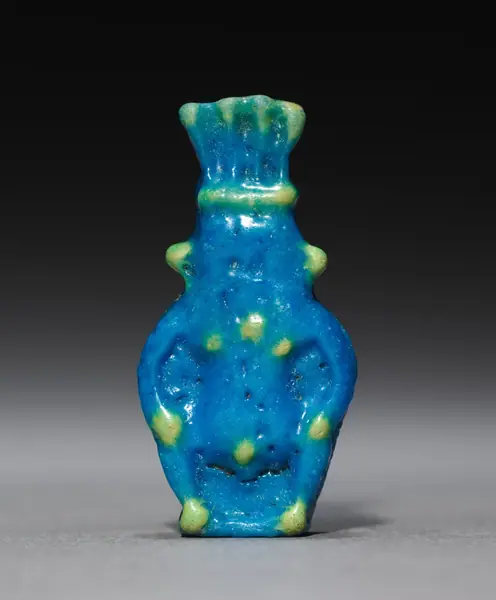 Amulet of BesEgypt, Greco-Roman period (332 BCE–395 CE), Roman empire (30 BCE–395 CE) · 30 BCE–395 CE
 Bes Head AmuletEgypt, Third Intermediate (1069–715 BCE) or later · 1069–715 BCE
 Amulet of TaweretEgypt, New Kingdom (1540–1069 BCE), Dynasty 18 · 1540–1296 BCE
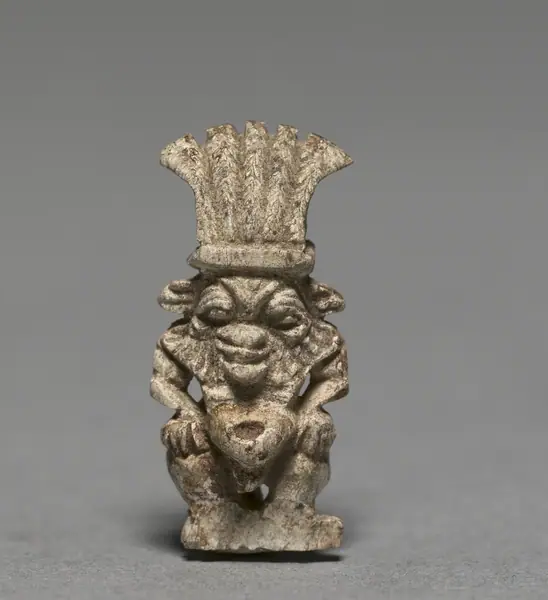 Amulet of BesEgypt, Late period (715–332 BCE), Dynasty 27–Second Persian period · 525–332 BCE
 Amulet of BesEgypt · Late Period–Ptolemaic Period (664–30 BCE)
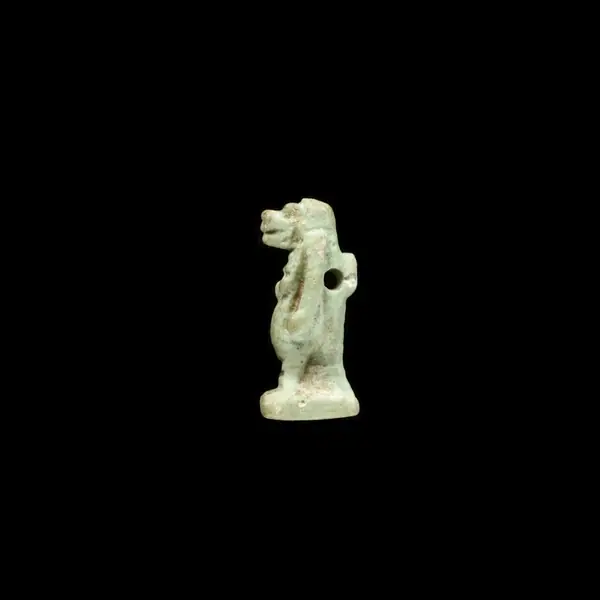 Taweret amulet, green glazed composition, Egypt, Late or Ptolemaic Period (600-100BC)Egypt · 664 BC - 30 BC
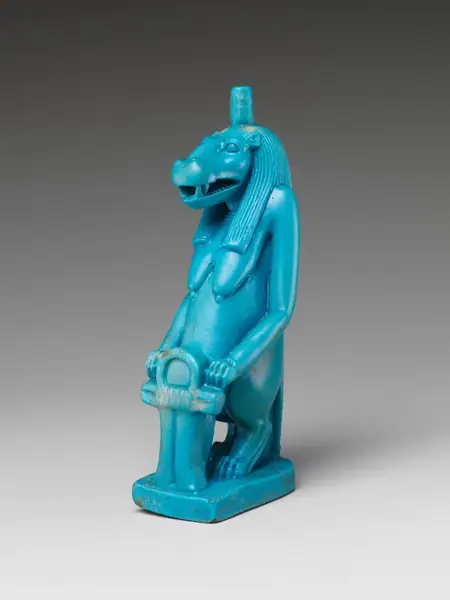 Statuette of a hippo goddess, probably TaweretEgypt · Ptolemaic Period, 332–30 BCE
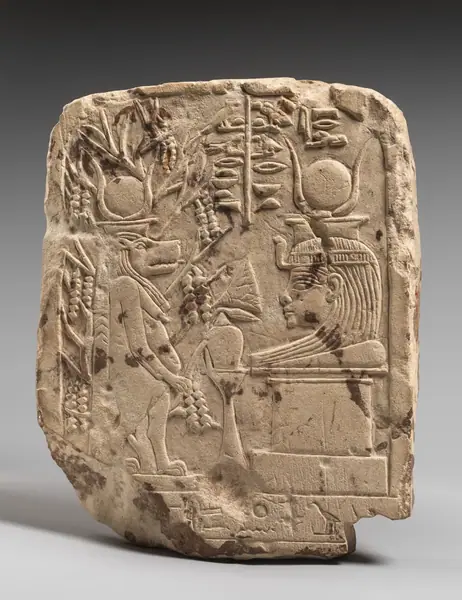 Stela with Taweret and Mut of IsheruUpper Egypt, Thebes · New Kingdom, ca. 1386–1347 BCE
 Colossal head from a Bes-imageEastern Delta · Ptolemaic Period, 332–30 BCE
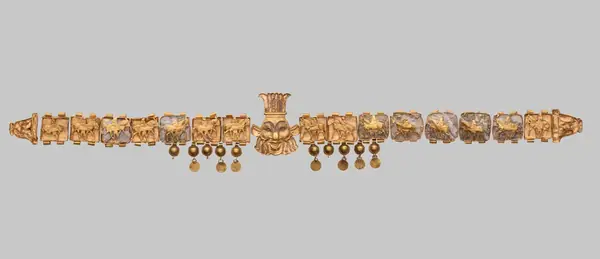 Necklace with the head of the Egyptian god BesAchaemenid, Iran · Achaemenid, ca. 6th–4th century BCE
![Amulett med fødselsgudinnen Taweret [Statuett]](../img/g/479775f53f8ca9.webp) Amulett med fødselsgudinnen Taweret [Statuett]Egypt
Amulett med fødselsgudinnen Taweret [Statuett]Egypt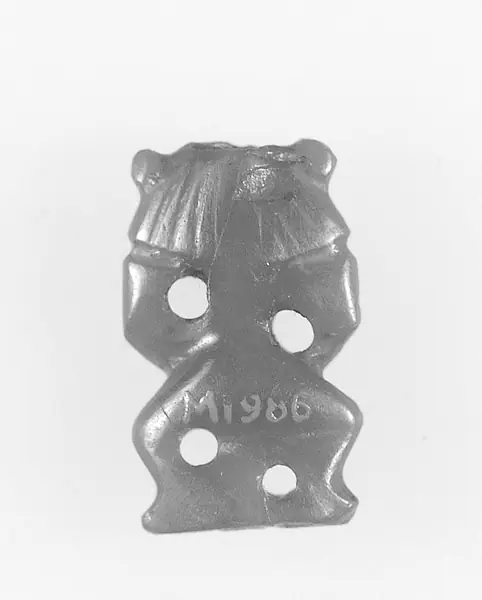 Bes amuletEgyptian third intermediate period · circa 1070 date QS:P571,+1070-00-00T00:00:00Z/9,P1480,Q5727902 –664 B.C. Period: Third Intermediate Period or later Dyna
 Amulet-pendant, of TaweretEgyptian late period · late 4th-3rd century BC (Late Period-early Greco-Roman)
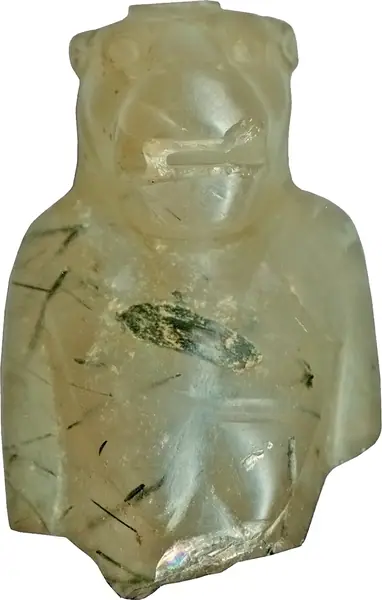 Amulet of TaweretEgyptian New Kingdom · between 1450 and 1200 BC date QS:P571,-1500-00-00T00:00:00Z/6,P1319,-1450-00-00T00:00:00Z/9,P1326,-1200-00-00T00:00:00Z/
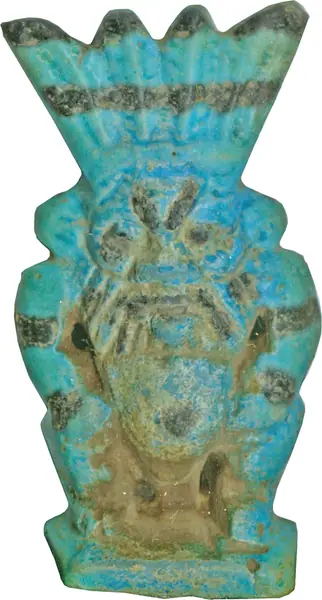 BesGreco-Roman Egypt · late 4th-early 3rd century BC (early Greco-Roman)
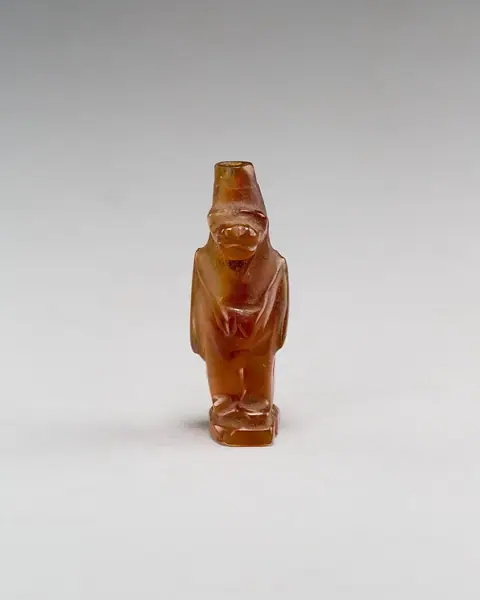 Taweret amuletEgyptian 18th dynasty · circa 1550 date QS:P571,+1550-00-00T00:00:00Z/9,P1480,Q5727902 –1295 B.C. Period: New Kingdom Dynasty: Dynasty 18
 Amulet depicting the goddess Taweret title QS:P1476,en:"Amulet depicting the goddess Taweret " label QS:Len,"Amulet depicting the goddess Taweret " label QS:Lit,"Amuleto raffigurante la dea Tauret"between 722 and 30 BC date QS:P,-0500-00-00T00:00:00Z/6,P1319,-0722-00-00T00:00:00Z/9,P1326,-0030-00-00T00:00:00Z/9 Late
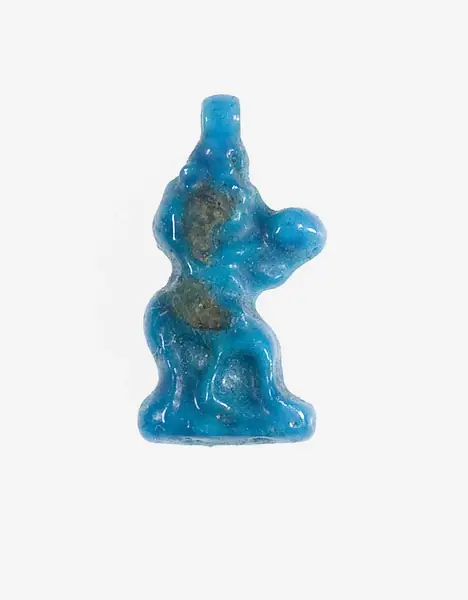 Amulet of Bes with tambourinePalace of Amenhotep III · circa 1390 date QS:P571,+1390-00-00T00:00:00Z/9,P1480,Q5727902 –1353 B.C. Period: New Kingdom Dynasty: Dynasty 18 Reign:
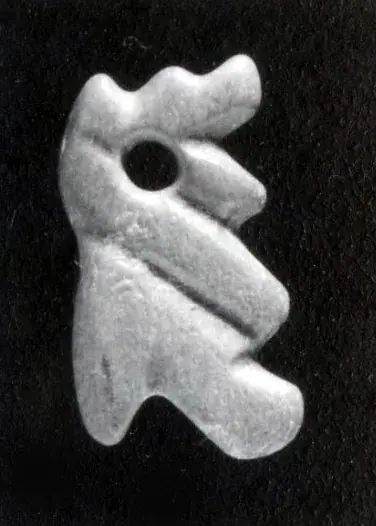 Taweret amuletEgyptian first intermediate period · circa 2110 date QS:P571,+2110-00-00T00:00:00Z/9,P1480,Q5727902 –2030 B.C. Period: Old Kingdom–First Intermediate Period
  Amulet depicting the god Bes title QS:P1476,en:"Amulet depicting the god Bes " label QS:Len,"Amulet depicting the god Bes " label QS:Lit,"Amuleto raffigurante il dio Bes"between 722 and 332 BC date QS:P,-0500-00-00T00:00:00Z/6,P1319,-0722-00-00T00:00:00Z/9,P1326,-0332-00-00T00:00:00Z/9 Lat
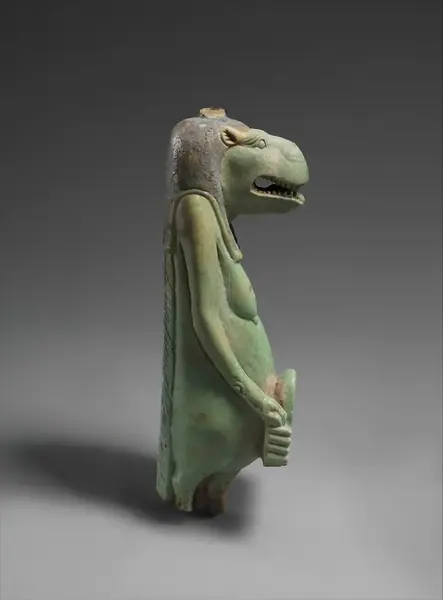 Amulet of Taweret664–332 B.C. Period: Late Period Dynasty: Dynasty 26–30
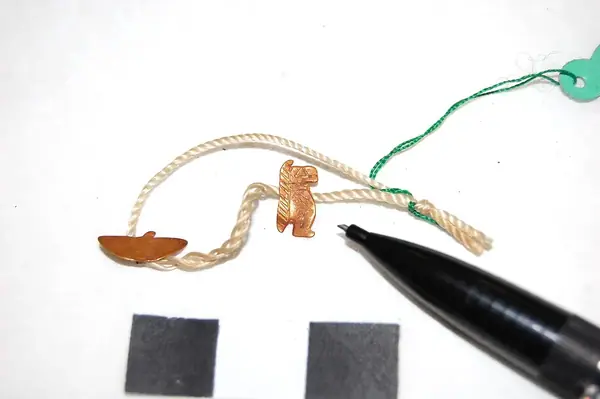 Amulet; TaweretEgyptian 8th dynasty · 1932; Dynasty VIII-First Intermediate Period-Egyptian dynastic-Egyptian
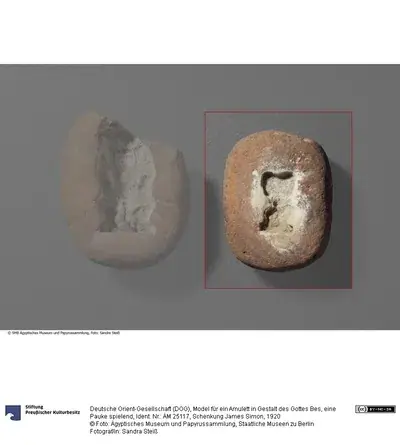 Model für ein Amulett in Gestalt des Gottes Bes, eine Pauke spielendP 47.01 (Amarna)
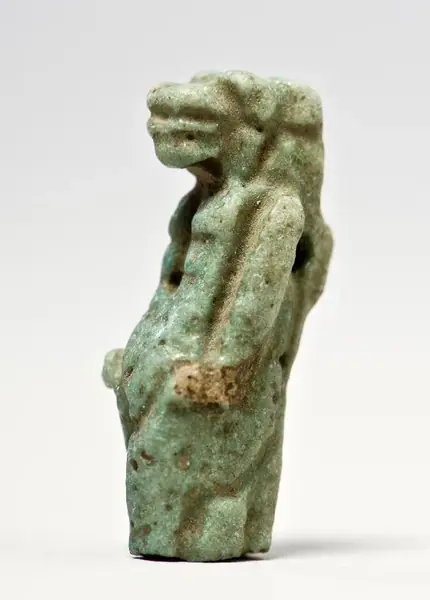 Jewellery amulet from EgyptEgypt
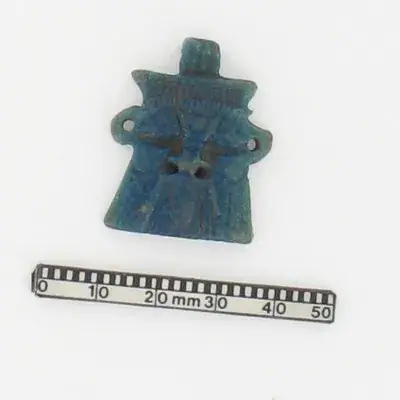 This object is a small blue faience representation of the god Bes, with a hole through the top for use as a peVereinigtes Königreich (Entstehung)
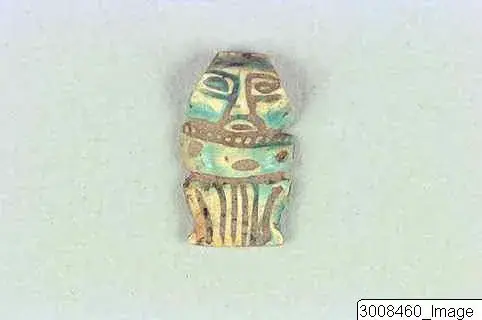 Jewellery, bes amulet from SudanSudan
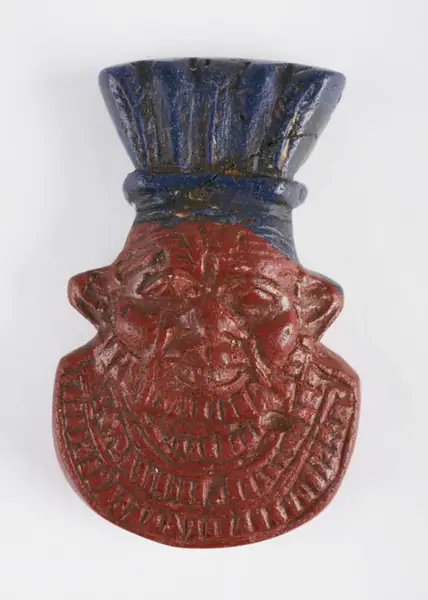 Dwarf-God Bes amulet30 BC - AD 395
 Frammento di statuetta di bes in terracotta, I-III secolo caRoman Egypt
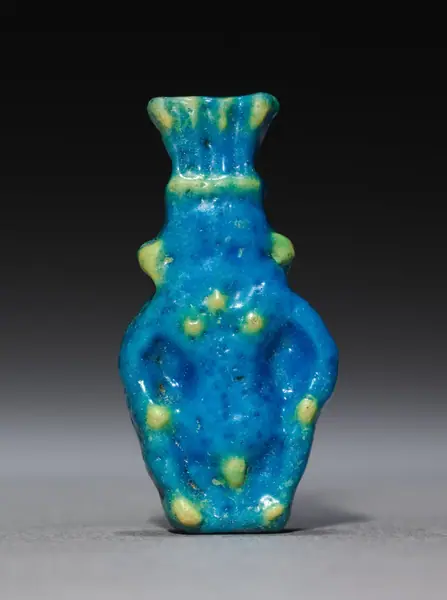 Amulet of BesEgypt, Greco-Roman period (332 BCE–395 CE), Roman empire (30 BCE–395 CE) · 30 BCE–395 CE
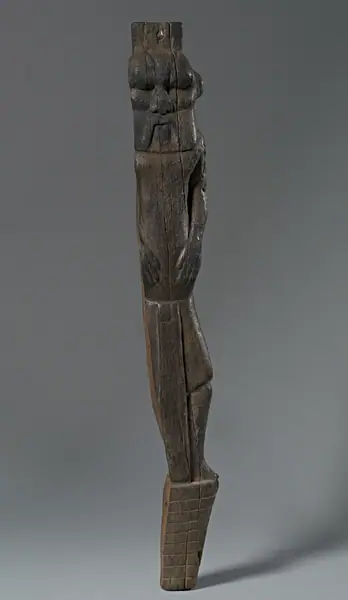 Chair or Bed Leg with the God BesEgypt, New Kingdom (1540–1069 BCE), Dynasty 18 · 1540–1296 BCE
 Cosmetic Jar in the Form of the God BesEgypt, Late period (715–332 BCE), Dynasty 26 · 664–525 BCE
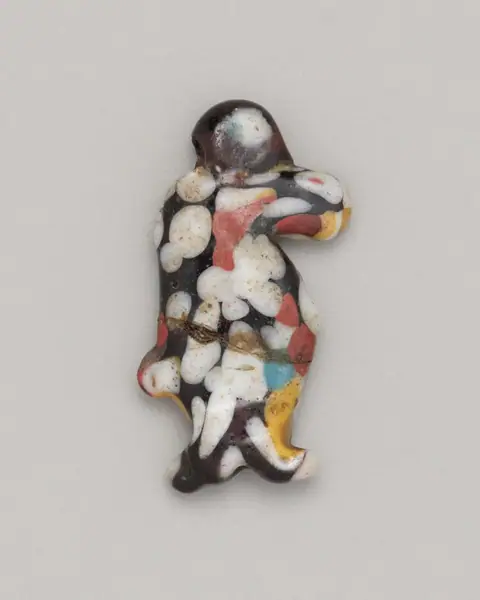 Taweret AmuletEgypt · New Kingdom, Dynasty 18, reign of Akhenaten (about 1352–1336 BCE)
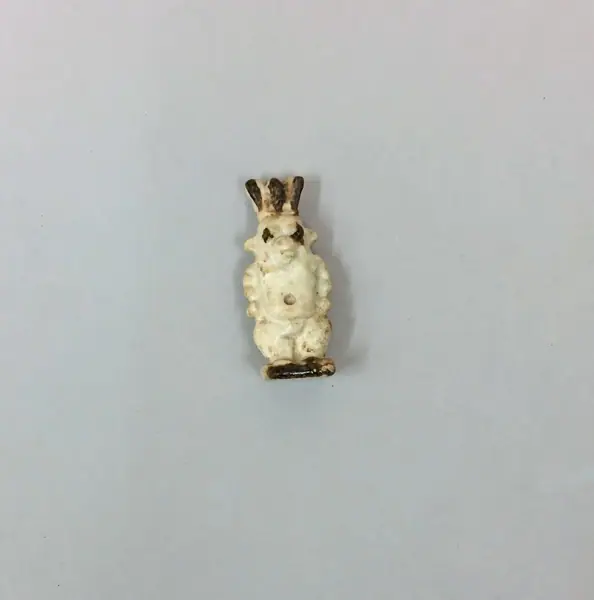 Bes amulet, white and brown glazed composition, Saft el-Henna, Egypt, Late Period, Dynasty Twenty-sixEgypt · 664 BC - 525 BC
 Amulet of a Bes-imageEgypt · New Kingdom, ca. 1386–1347 BCE
![Guden Bes [Relieff]](../img/g/53852af19381f8.webp) Guden Bes [Relieff]Egypt
Guden Bes [Relieff]Egypt Taweret AmuletEgyptian third intermediate period · circa 1070 date QS:P571,+1070-00-00T00:00:00Z/9,P1480,Q5727902 –664 B.C. Period: Third Intermediate Period or later Dyna
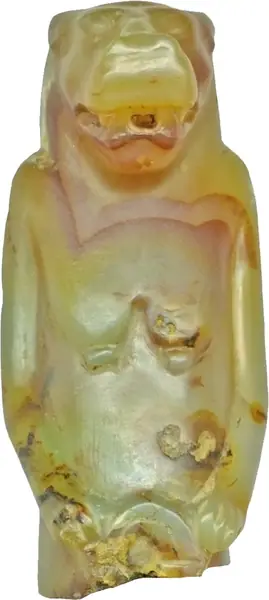 TaweretEgyptian late period · between 664 and 525 BC (Late Period; Saite)
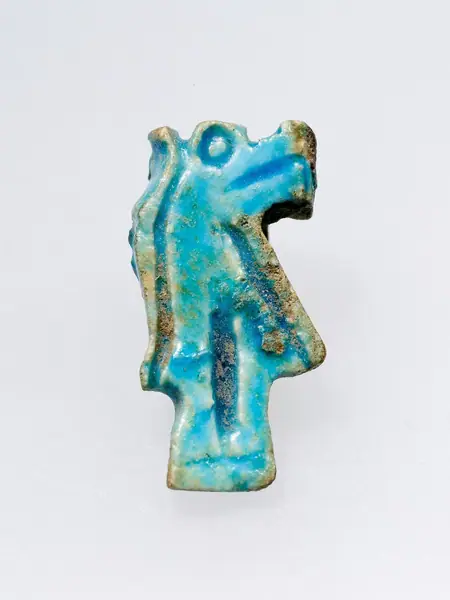 Taweret AmuletEgyptian New Kingdom · circa 1295 date QS:P571,+1295-00-00T00:00:00Z/9,P1480,Q5727902 –1070 B.C. Period: New Kingdom, Ramesside Dynasty: Dynast
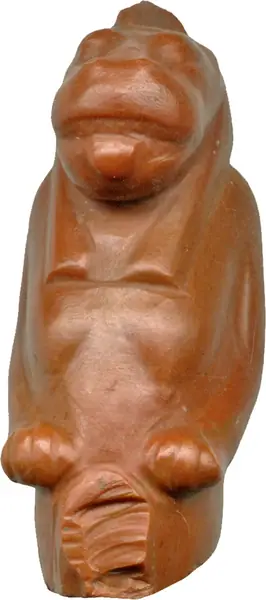 TaweretGreco-Roman Egypt · 3 rd century BC date QS:P571,-250-00-00T00:00:00Z/7 (Greco-Roman)
 Amulet of a Bes-imageEgyptian 18th dynasty · circa 1390 date QS:P571,+1390-00-00T00:00:00Z/9,P1480,Q5727902 –1352 B.C. Period: New Kingdom Dynasty: Dynasty 18 Reign:
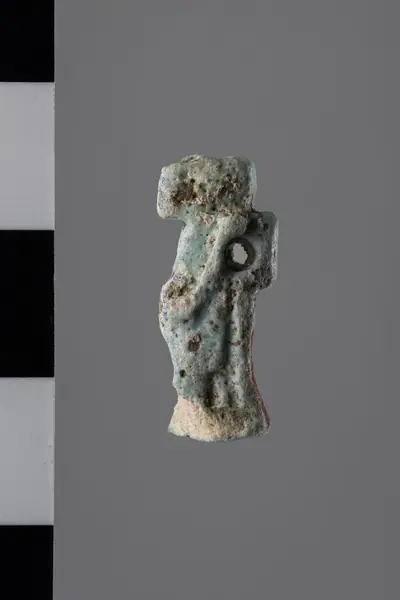 Amulet depicting the goddess Taweret title QS:P1476,en:"Amulet depicting the goddess Taweret " label QS:Len,"Amulet depicting the goddess Taweret " label QS:Lit,"Amuleto raffigurante la dea Tauret"between 722 and 332 BC date QS:P,-0500-00-00T00:00:00Z/6,P1319,-0722-00-00T00:00:00Z/9,P1326,-0332-00-00T00:00:00Z/9 Lat
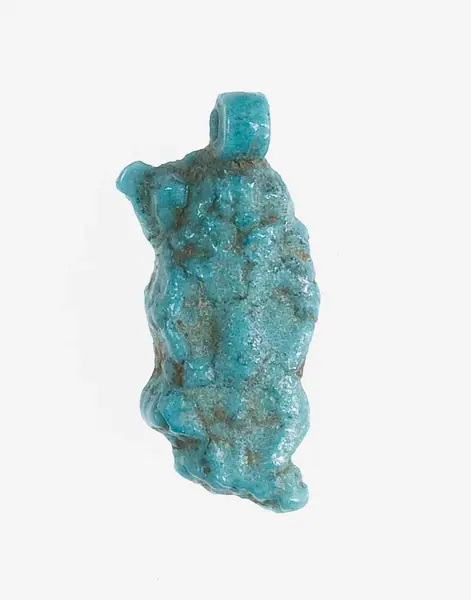 Bes AmuletPalace of Amenhotep III · circa 1390 date QS:P571,+1390-00-00T00:00:00Z/9,P1480,Q5727902 –1353 B.C. Period: New Kingdom Dynasty: Dynasty 18 Reign:
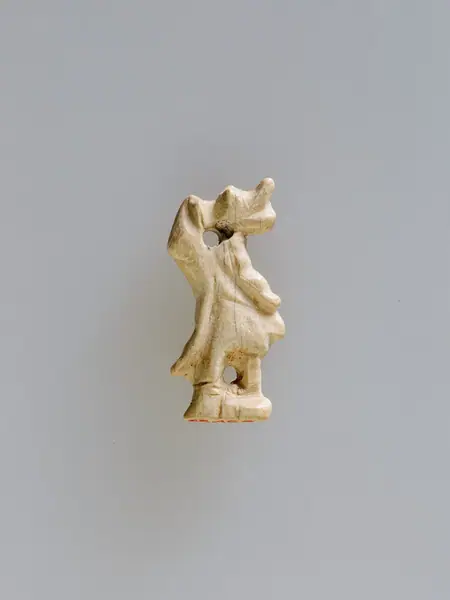 Taweret amuletEgyptian first intermediate period · circa 2110 date QS:P571,+2110-00-00T00:00:00Z/9,P1480,Q5727902 –2030 B.C. Period: Old Kingdom–First Intermediate Period
  Nuovo regno-epoca tarda, amuleto con il demone bes in lapislazzuli (museo egizio, fi)
 Amulet; TaweretEgyptian 8th dynasty · 1932; Dynasty VIII-First Intermediate Period-Egyptian dynastic-Egyptian
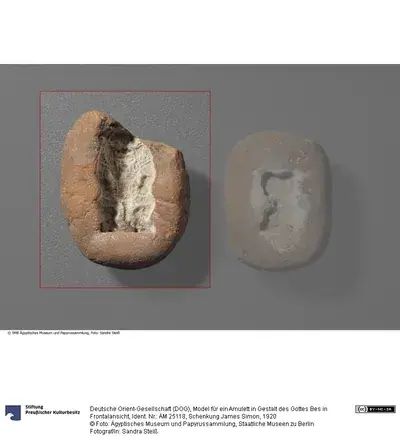 Model for an amulet in the shape of the God Bes in front viewP 47.01 (Amarna)
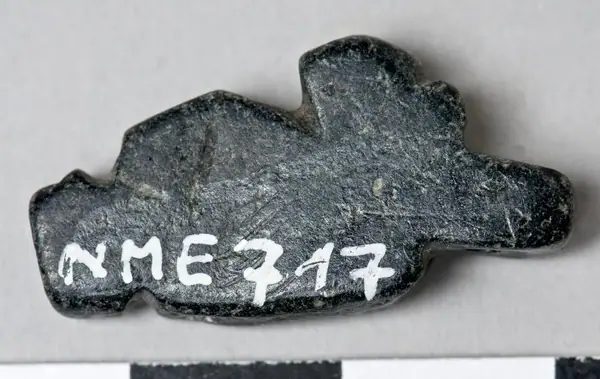 Jewellery, taweret amulet from EgyptEgypt
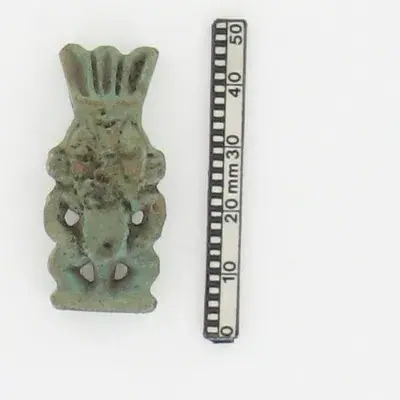 pendant, amulet/BesVereinigtes Königreich (Entstehung)
 Bes, jewellery amulet from SudanSudan
 Amulet of TaweretEgypt, Greco-Roman period (332 BCE–395 CE), Ptolemaic dynasty (305–30 BCE) · 305–30 BCE
 Statuette of BesEgypt, Late period (715–332 BCE), Dynasty 27 or later · 525–30 BCE
 Amulet of TaweretEgypt · Third Intermediate Period–Late Period (about 1069–332 BCE)
 Amulet pendant of TaweretEgypt · 1400BC-400BC
 Lidded container in the shape of a Bes-imageEgypt · Late Period, 664–332 BCE
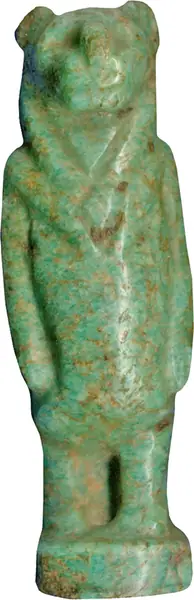 TaweretEgyptian third intermediate period · between 1070 and 730 BC (Third Intermediate)
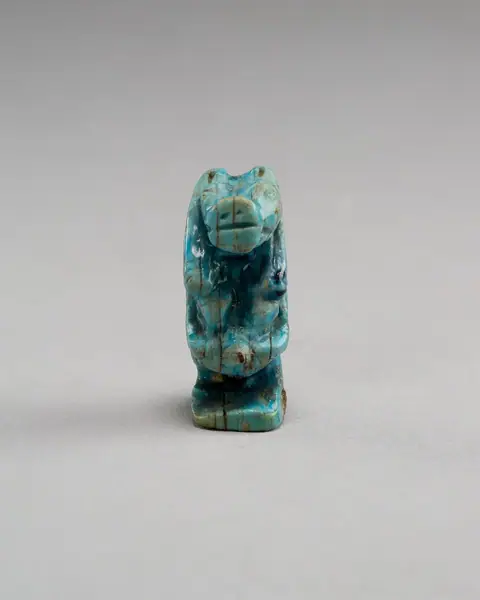 Taweret amuletEgyptian late period · 525–332 B.C. Period: First Persian Period–Late Period Dynasty: Dynasty 27–30
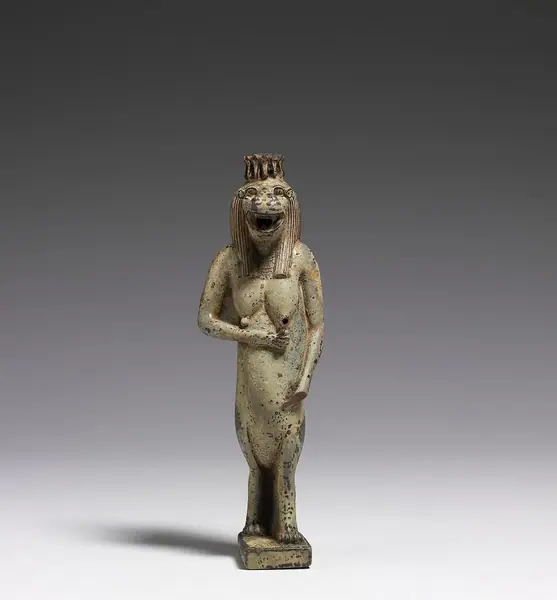 TaweretGreco-Roman Egypt · 3 rd century BC date QS:P571,-250-00-00T00:00:00Z/7 (Greco-Roman)
 Amulet depicting the goddess Taweret title QS:P1476,en:"Amulet depicting the goddess Taweret " label QS:Len,"Amulet depicting the goddess Taweret " label QS:Lit,"Amuleto raffigurante la dea Tauret"between 722 and 332 BC date QS:P,-0500-00-00T00:00:00Z/6,P1319,-0722-00-00T00:00:00Z/9,P1326,-0332-00-00T00:00:00Z/9 Lat
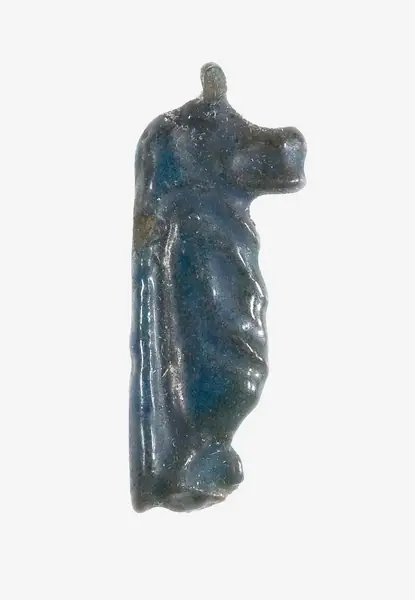 Taweret AmuletPalace of Amenhotep III · circa 1390 date QS:P571,+1390-00-00T00:00:00Z/9,P1480,Q5727902 –1353 B.C. Period: New Kingdom Dynasty: Dynasty 18 Reign:
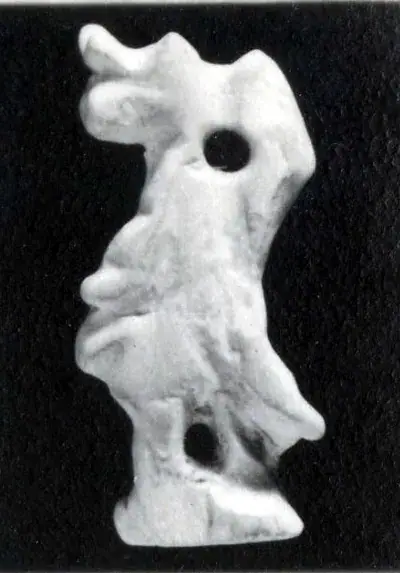 Taweret amuletEgyptian first intermediate period · circa 2110 date QS:P571,+2110-00-00T00:00:00Z/9,P1480,Q5727902 –2030 B.C. Period: Old Kingdom–First Intermediate Period
 More from Ancient Egypt: Scarabs & scaraboids · Heart scarabs & heart amulets · Wedjat eye (Eye of Horus) · Djed, tyet, ankh & hieroglyph signs · Funerary tool & body amulets · Gods & goddesses · Sacred animals · Hands, fists & faces · Cippi of Horus (healing stelae) · Apotropaic wands (birth tusks) · Hypocephali & amulet sets · Other & unsorted Ancient Egypt
Every type in the gallery
Anything in the gallery can be made: any piece, any tradition, in its own material or yours, by hand from the documented original. Numbered. Price on commission, quoted before anything is made. I reply within one business day.