Isthmian & Colombian gold pendants
Meaning
Cast gold pendants of Panama, Costa Rica and Colombia show frogs, bats, eagles, crocodiles, jaguars, fish and human-animal shamans, the spirit-helpers and transformations of a shaman's journey. Gold, shining like the sun, embodied divine power.
Intent
They were worn by chiefs and shamans as badges of rank and spiritual power, protecting them in the spirit world and showing their alliances with animal powers. Many were buried with their owners. Muisca tunjos were offered in lakes, as at Guatavita, the source of the El Dorado legend.
Significance
Isthmian gold is among the finest pre-Columbian metalwork, using tumbaga (gold-copper alloy) and depletion gilding. The Spanish melted most of it, so what survives comes largely from graves such as Sitio Conte in Panama.
History
Goldworking in the Isthmus began around 500 CE and continued until the Spanish conquest (early 16th century). Colombian traditions (Quimbaya, Tairona, Muisca) span c. 500 BCE–1600 CE.
Making yours
2–10 cm lost-wax cast tumbaga (gold-copper alloy), with wax-thread details and depletion gilding.The Americas: the tradition
In the Americas, protective and power objects belonged to the relationship between people, ancestors, animals and the land. Andean herders kept stone illas for the fertility of their flocks, Mesoamerican rulers wore green jade as breath and maize, Isthmian goldsmiths cast animal spirit-helpers, and Arctic and Northwest Coast shamans carried carved spirit charms. Catholicism, arriving from 1492, brought saints, milagros and the Iberian evil-eye tradition, which fused with Indigenous and African belief into new forms such as Ekeko, the Afro-Brazilian balangandã and Santería. Many Indigenous objects are sacred and some communities ask that they not be displayed or copied; the Zuni, for example, distinguish sacred fetishes from carvings made for sale.
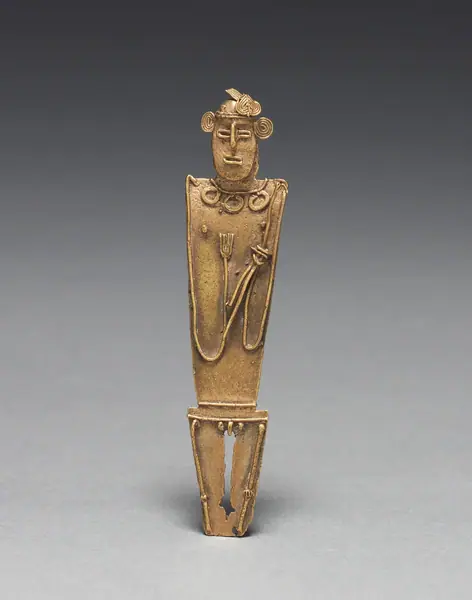 Tunjos (Votive Offering Figurine)Colombia, Muisca style · c. 900–1550
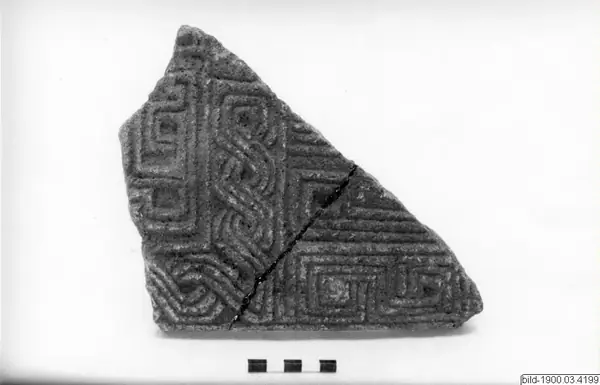 Mejsel, chisel amulet from Costa RicaCosta Rica
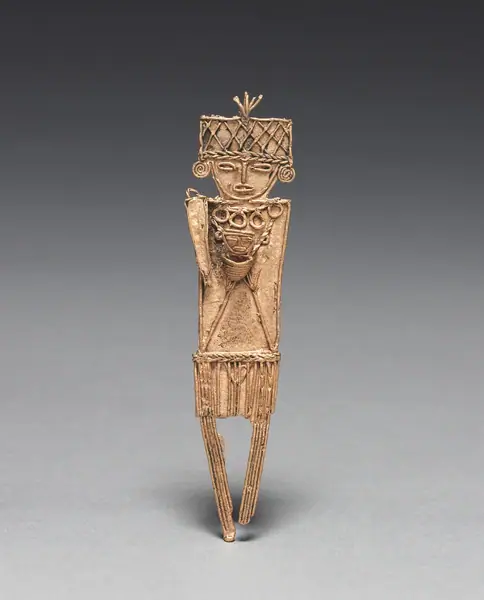 Tunjos (Votive Offering Figurine)Colombia, Muisca style · c. 900–1550
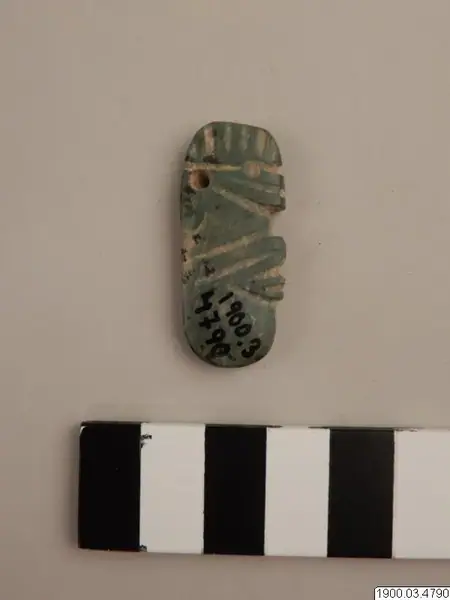 Amulet from Costa RicaCosta Rica
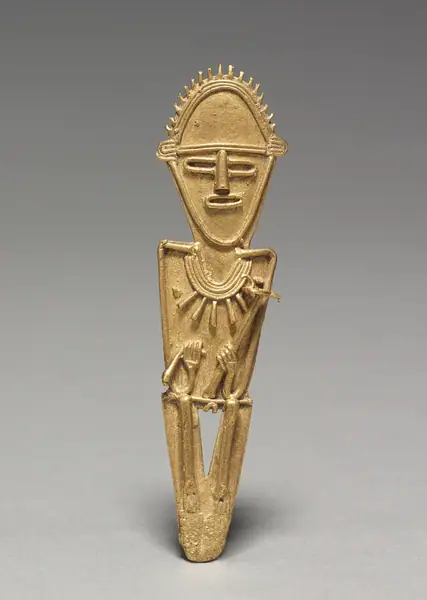 Tunjos (Votive Offering Figurine)Colombia, Muisca style · c. 900–1550
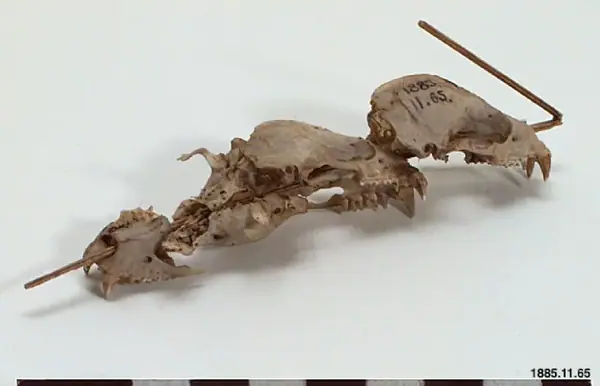 Amulet from Costa RicaCosta Rica
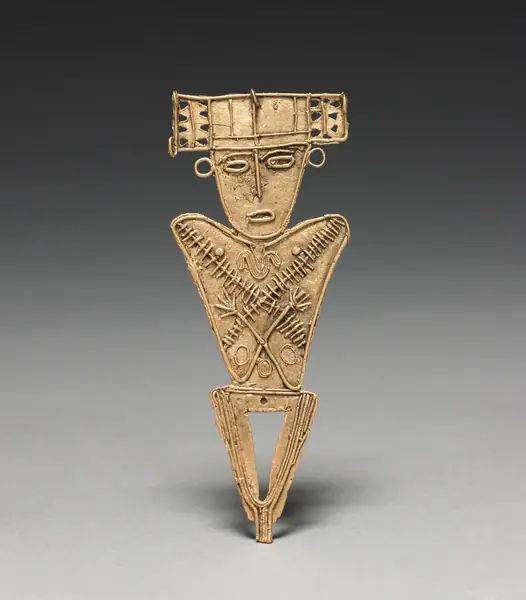 Tunjos (Votive Offering Figurine)Colombia, Muisca style · c. 900–1550
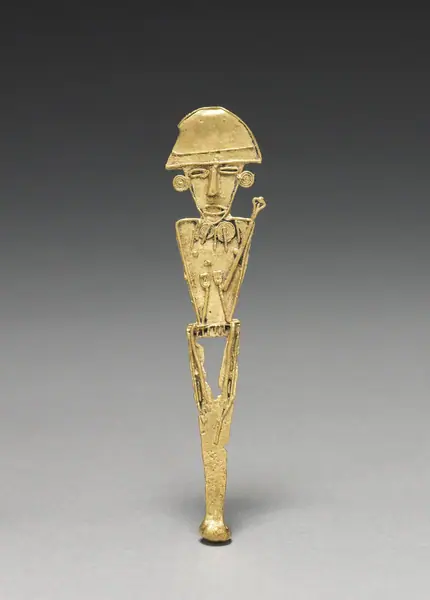 Tunjos (Votive Offering Figurine)Colombia, Muisca style · c. 900–1550
 Tunjos (Votive Offering Figurine)Colombia, Muisca style · c. 900–1550
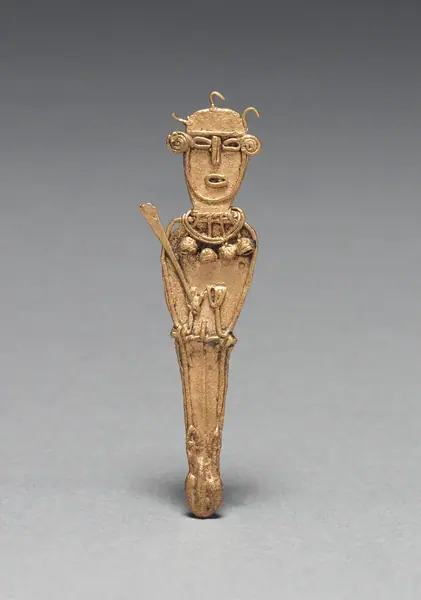 Tunjos (Votive Offering Figurine)Colombia, Muisca style · c. 900–1550
 Tunjos (Votive Offering Figurine)Colombia, Muisca style · c. 900–1550
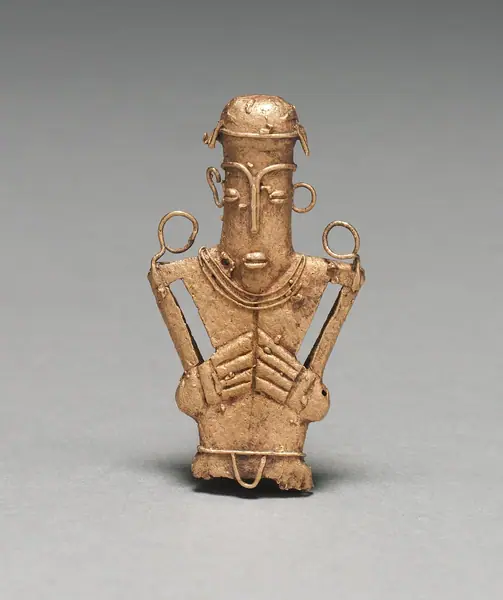 Tunjos (Votive Offering Figurine)Colombia, Muisca style · c. 900–1550
More from The Americas: Andean illas & conopas · Mesoamerican jade & stone pendants · Taíno zemís & Caribbean amulets · Zuni & Pueblo fetishes · Umbilical amulets & medicine bundles · Northwest Coast & Arctic shaman charms · Milagros & ex-votos · Balangandãs, figas & Afro-Atlantic charms · Dreamcatchers · Other & unsorted The Americas
Every type in the gallery
Anything in the gallery can be made: any piece, any tradition, in its own material or yours, by hand from the documented original. Numbered. Price on commission, quoted before anything is made. I reply within one business day.