Other & unsorted Greece
What it is
Objects from this tradition that do not fit the types above, or whose catalogue records are too brief to sort further. Browse them for unusual forms.
History
Greeks called amulets periapta or phylakteria, 'things tied on' and 'protectors'; Romans said amuletum or ligatura. Both cultures feared the envious glance, baskania in Greek and invidia or fascinatio in Latin, and answered it with laughter, shock and the power of images: the Gorgon's face, the phallus, the crescent moon. Children, brides, soldiers and livestock were the most protected. Graeco-Egyptian magicians of the Roman Empire engraved gems and gold foils with divine names and signs, forming a written magic that passed to Byzantium, Islam and medieval Europe. Pliny the Elder's Natural History (77 CE) records hundreds of amuletic stones, plants and animal parts, and became the source book for later lapidaries.
Making yours
Check the source record for materials and size before copying.Greece, Etruria & Rome: the tradition
Greeks called amulets periapta or phylakteria, 'things tied on' and 'protectors'; Romans said amuletum or ligatura. Both cultures feared the envious glance, baskania in Greek and invidia or fascinatio in Latin, and answered it with laughter, shock and the power of images: the Gorgon's face, the phallus, the crescent moon. Children, brides, soldiers and livestock were the most protected. Graeco-Egyptian magicians of the Roman Empire engraved gems and gold foils with divine names and signs, forming a written magic that passed to Byzantium, Islam and medieval Europe. Pliny the Elder's Natural History (77 CE) records hundreds of amuletic stones, plants and animal parts, and became the source book for later lapidaries.
 Hermes Ordering Calypso to Release OdysseusNetherlands · c. 1670
 AphroditeGreece · 400–200 BCE
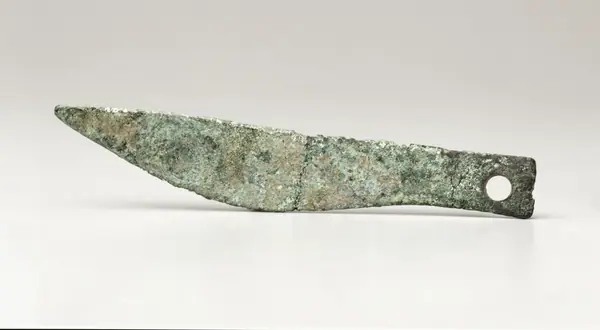 Miniature SwordEtruscan · 500–450 BCE
 Reliquary Casket of Saints Adrian and NataliaSpain · 1100–50
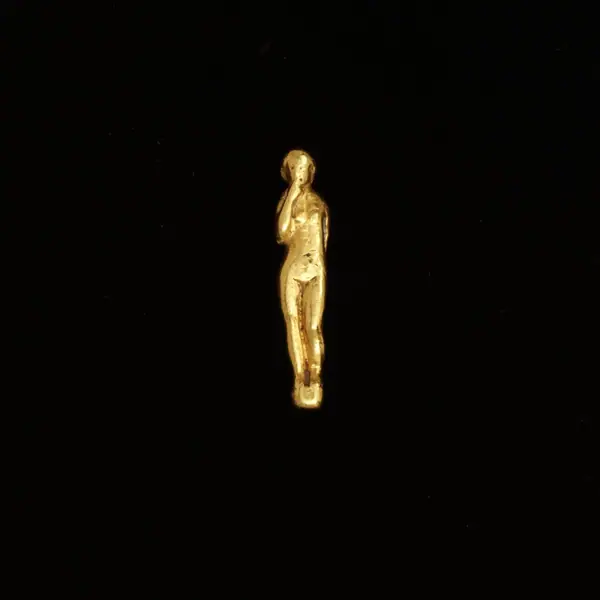 Amulet, gold, in the form of a figure of Venus standing on a globe, Europe (Roman), 2nd century BC-2nd centuryEurope · 2nd century BC-2nd century AD
 View of Delphi with a ProcessionFrance · 1673
 Amulet from GreeceGreece · 1979
 La battaglia del talismano verdeItaly · 1970
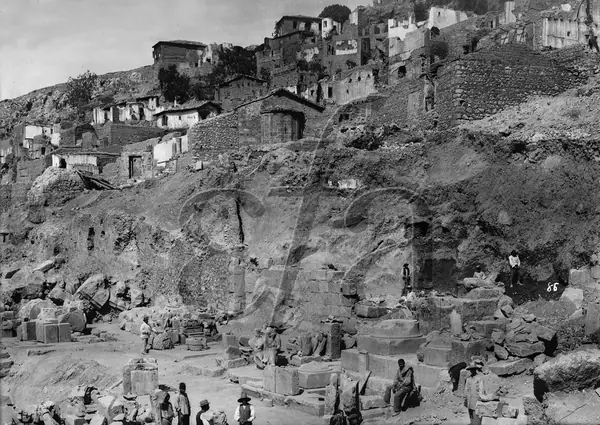 Lesite de l'ex-voto des Deinomenids au sanctuaire d'ApollonGreece · 1893
 Mascot OlympicsGreece · 1980
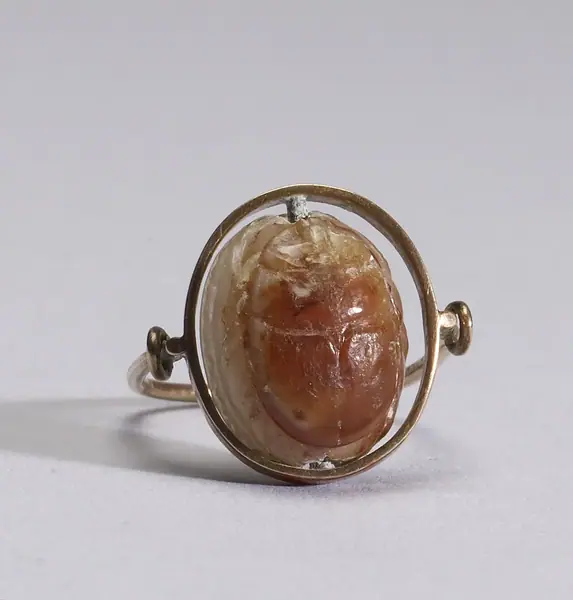 Scarab Carved in Intaglio with a Pig-Man5 th century BC date QS:P571,-450-00-00T00:00:00Z/7
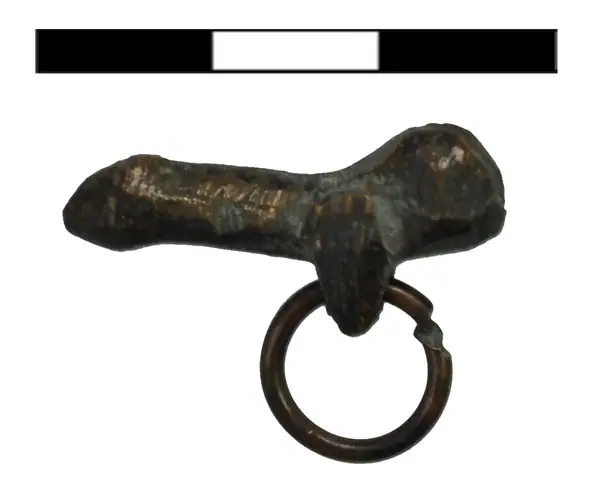 Amuletă phalloidăRomania
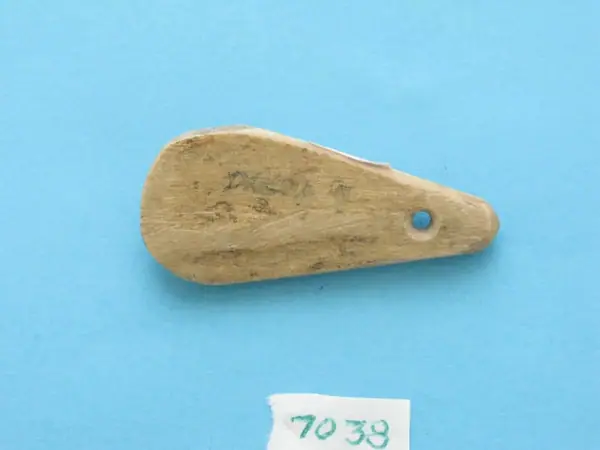 amuletăRomania
 Colier fragmentar din lanț cu zale duble din sârmă din aurRomania
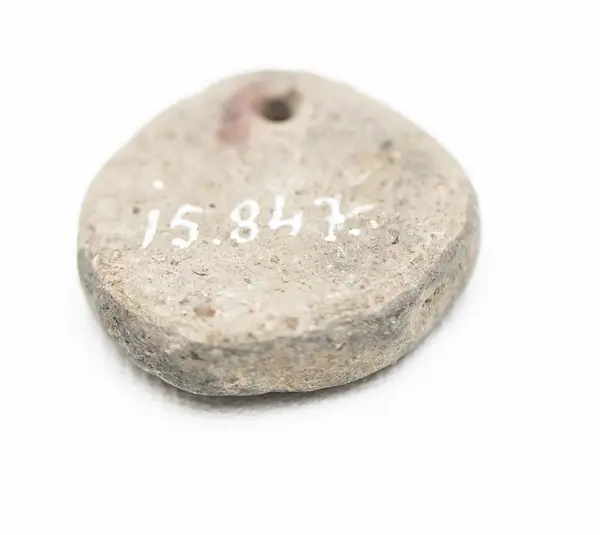 Amuletă din lutRomania
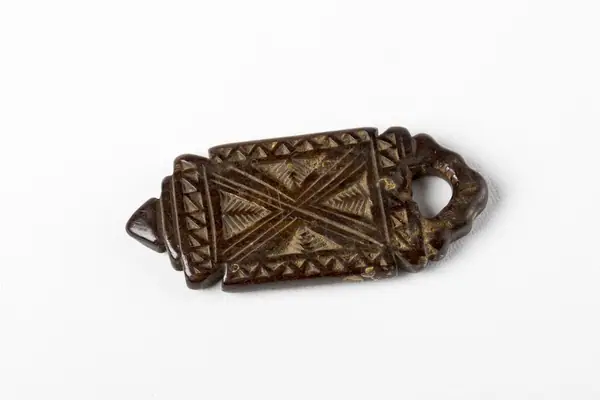 De formă dreptunghiulară, amuleta este decorată pe ambele fețe, în centru cu crucea Sf. Andrei, alternantă cu 4 mici brăduți stilizați. Pe margine se distinge un chenar în zig - zag, crestat în cele 4Romania
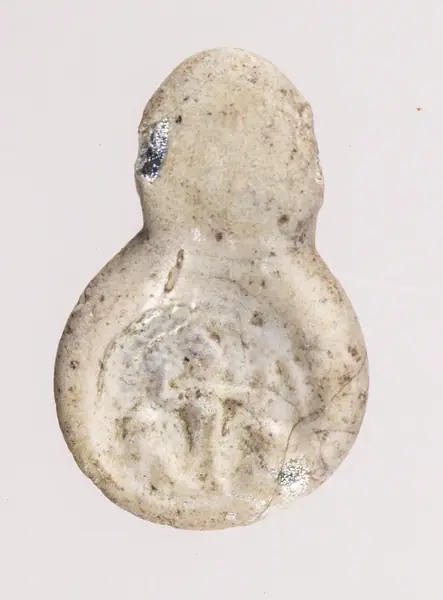 Amuletă de sticlă, de epocă romană târzie. Piesa este realizată din sticlă albă, cu partea principală, de formă circulară, și o prelungire destinată orificiului de agățare. Pe față a fost realizat un Romania
 Cross amuletGreece
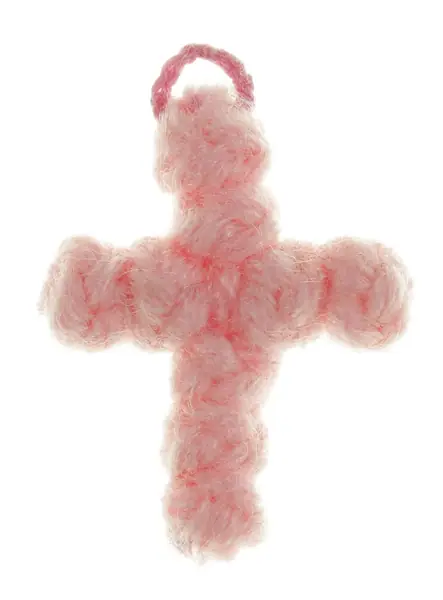 Amulett // el-cy: fylachtó Das Amulett ist ein aus rosaroter Wolle geknotetes Kreuz mit einer kleinen, gleichfGreece
 Amulet// el-cy: fylacht & oacute; The amulet is a small pillow made of light blue, knitted cloth, triangular, Cyprus
 Cruce purtată atât de femeile, cât și de bărbații din comunitatea huțulă din nordul Moldivei, ca podoabă, dar ca talisman destinat protecției. Formată dintr- o cruce dreaptă și o cruce în X (crucea SfSuceava
 TALISMAN WITH AN ICON OF THE VIRGIN MARY (?)Greece
 Römische Plastik, Pilger-Exvoto aus ItalicaBerlin
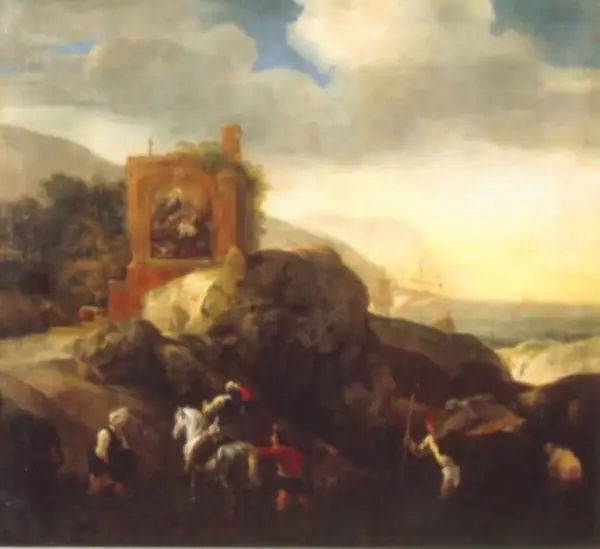 Peisaj cu monument ex-votoRomania
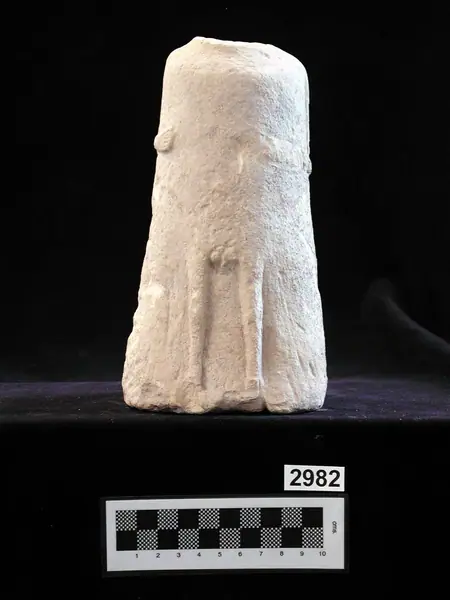 Exvoto de piedra 2982 procedente del oppidum ibérico de Torrebenzalá (Torredonjimeno, Jaén, España).Oppidum de Torrebenzalá
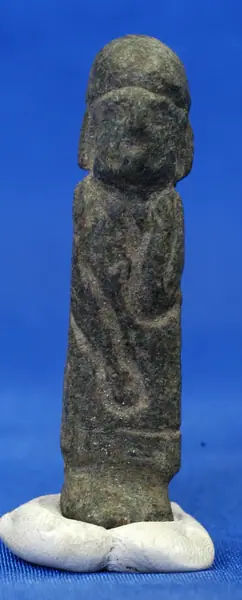 Exvoto masculino procedente del Santuario Cueva de la Lobera, Altos del Sotillo (Castellar, Jaén, España)Cueva de la Lobera
 Exvoto de piedra procedente de Cerro Maquiz (Mengíbar, Jaén, España)Cerro Maquiz
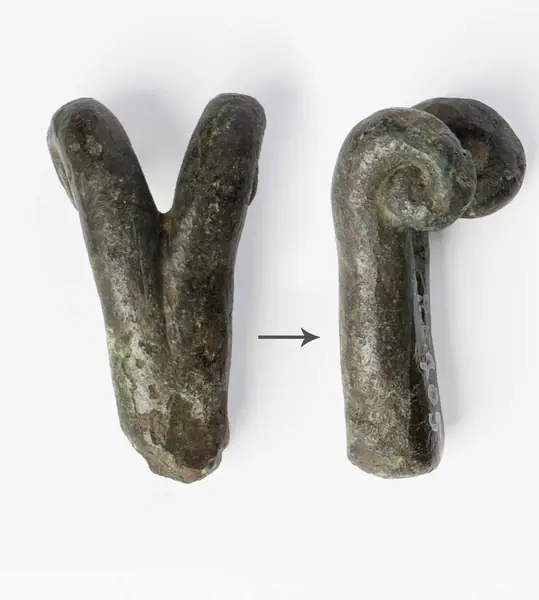 Exvoto de útero estilizado procedente del Santuario de Collado de los Jardines, Despeñaperros (Santa Elena, Jaén, España)Collado de los Jardines
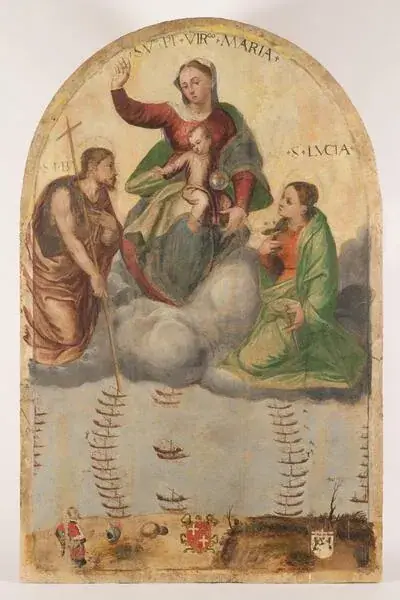 Ex-Voto Painting of the Battle Of LepantoMalta
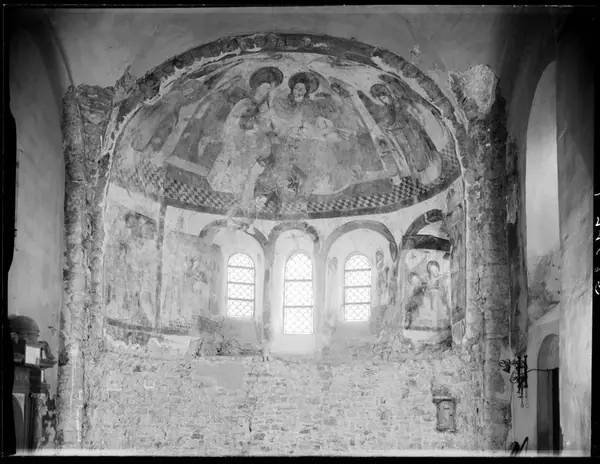 Femme assise devant un arbre, bas-relief funéraire ou ex-voto trouvé à ThyréaBrussels-Capital Region
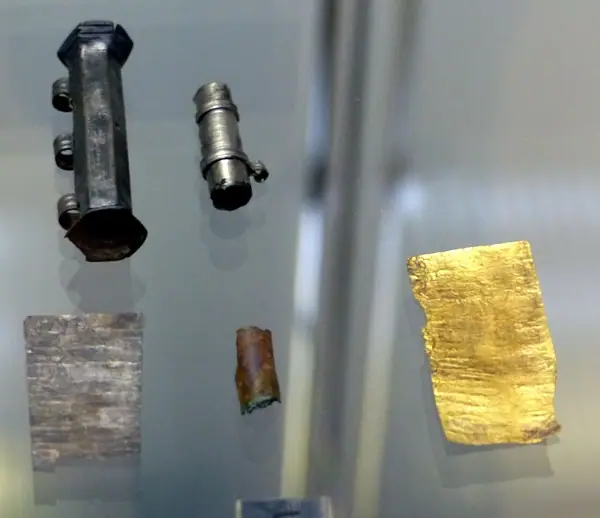 HMR - Amulette ZaubersprücheGermany
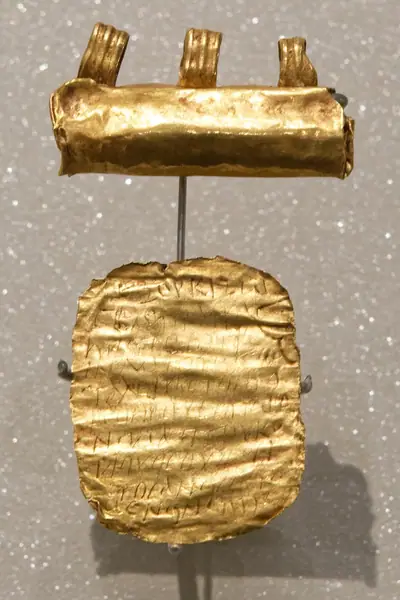 Uterine amulet and pendant-sheath Musée BnF inv56-286 and 56-287ancient Greece
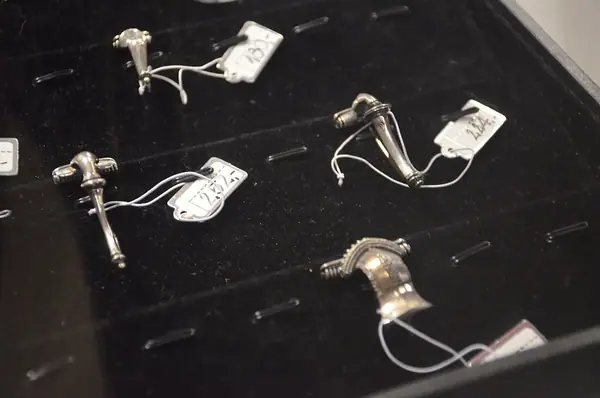 DSC 0248 Silver replicas Germanic fibulae from the Roman imperial periodPoland
 Marble votive of memorial relief
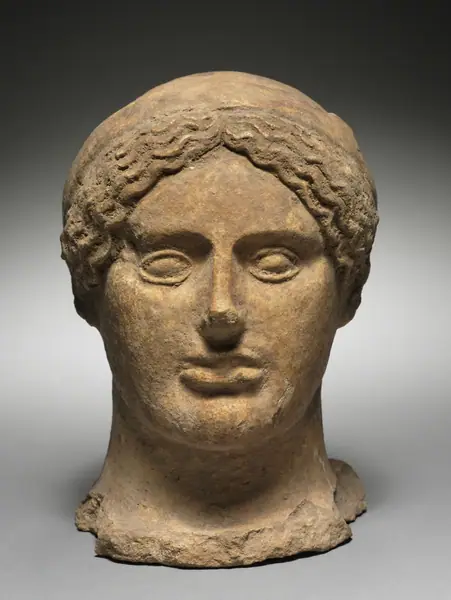 Head of a WomanEtruscan · 500–475 BCE
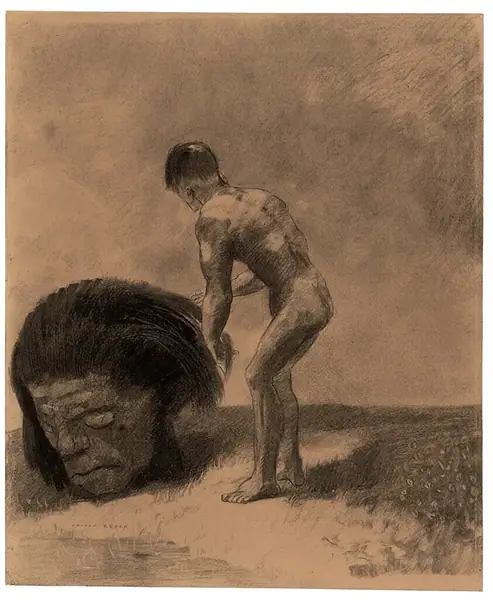 Primitive BeingFrance · c. 1876
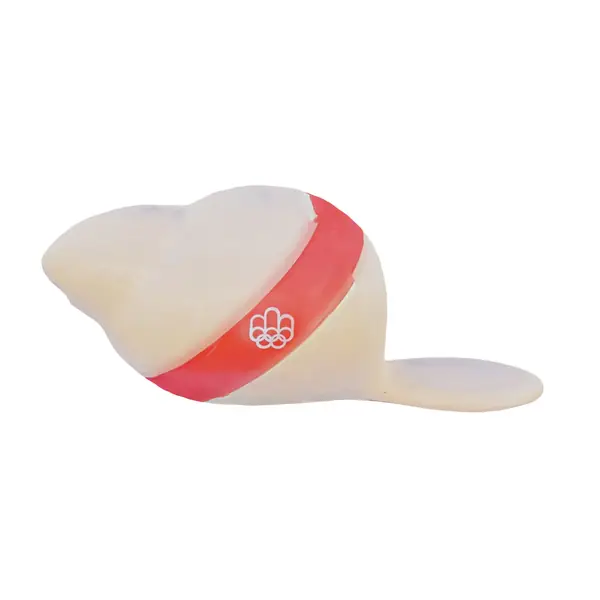 White mascot Montreal 1976Greece · 1976
 Gold scarab4th century B.C.
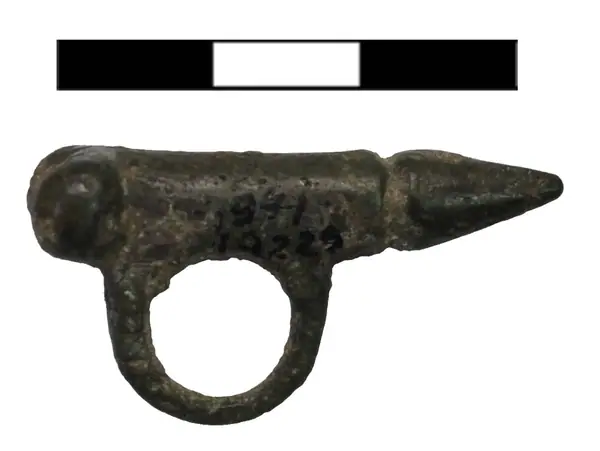 Amuletă phalloidăRomania
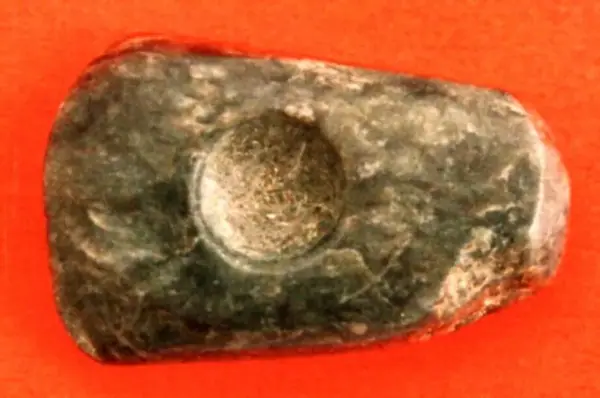 amuletăRomania
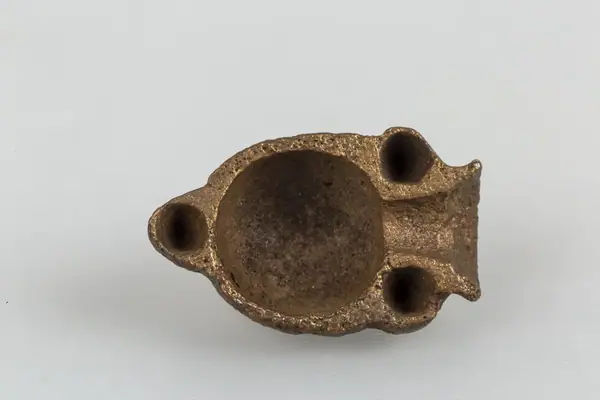 Jumătate de amuletă reprezentând o amforă cu corp oval, gât scurt, buza evazată, anse mici dispuse pe umăr și picior conic, scurt. În zona de mediană are aplicată o agățătoare.Romania
 Amuletă din lutRomania
 De formă dreptunghiulară, amuleta este decorată pe ambele fețe cu motivul cărării rătăcite. Din loc în loc se disting puncte incizate. Pe margine amuleta este crestată în cele 4 colțuri. Lățimile se tRomania
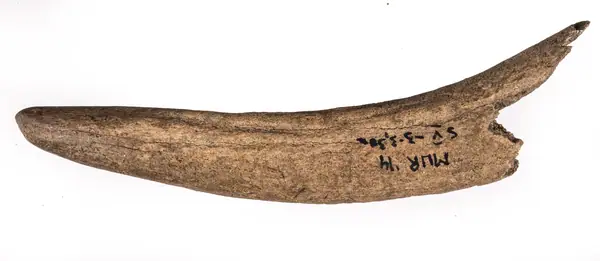 Vârf din corn prelucrat prin fracturare prin percuție. Detașarea vârfului unui corn de cerb în vederea prelucrării. Deșeu de fabricare care indică prelucrarea cornului pe sit.Romania
 Children's amuletGreece
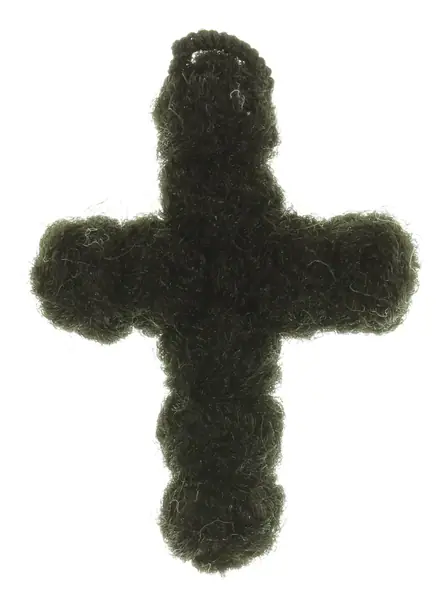 Amulett // el-cy: fylachtó Das Amulett ist ein aus schwarzer Wolle geknotetes Kreuz mit einer kleinen, gleichfGreece
 Cruce purtată atât de femeile, cât și de bărbații din comunitatea huțulă din nordul Moldivei, ca podoabă, dar și ca talisman destinat protecției. Formată dintr- o cruce dreaptă și o cruce în X (cruceaSuceava
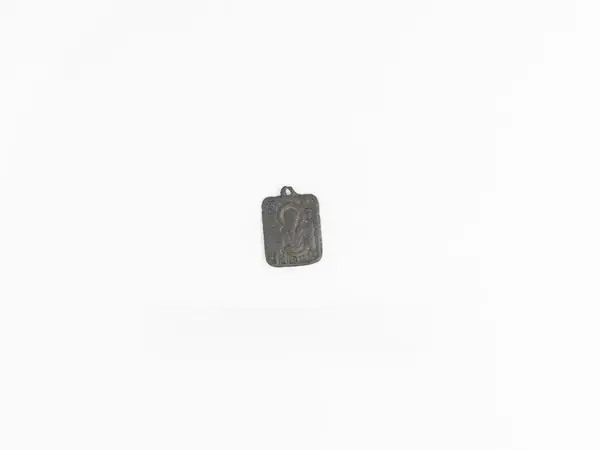 TALISMAN WITH A SAINT’S ICONGreece
 Exvoto de piedra 2980 procedente del santuario ibérico de Torrebenzalá (Torredonjimeno, Jaén, España).Oppidum de Torrebenzalá
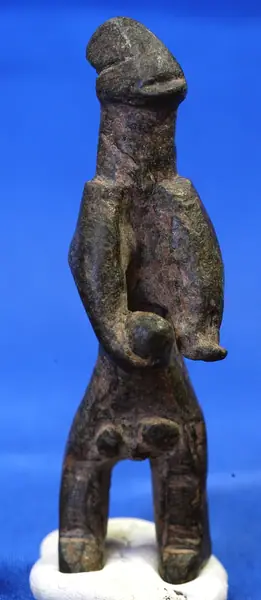 Exvoto masculino desnudo del Santuario Cueva de la Lobera, Altos del Sotillo (Castellar, Jaén, España)Cueva de la Lobera
 Exvoto de piedra procedente de Cerro Maquiz (Mengíbar, Jaén, España)Cerro Maquiz
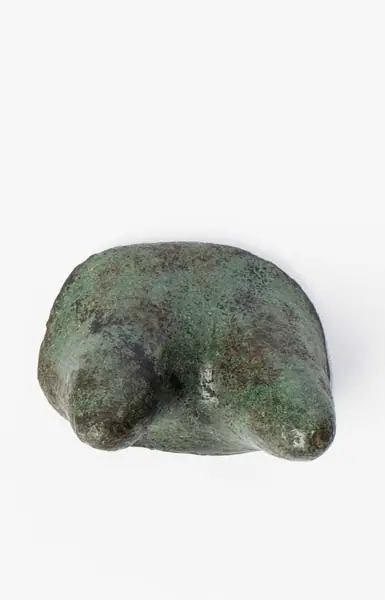 Exvoto de pechos procedente del Santuario de Collado de los Jardines, Despeñaperros (Santa Elena, Jaén, España)Collado de los Jardines
 2018 Rheinisches Landesmuseum Bonn, AmulettenGermany
 Amulet 900 BC Mcr Museumancient Greece
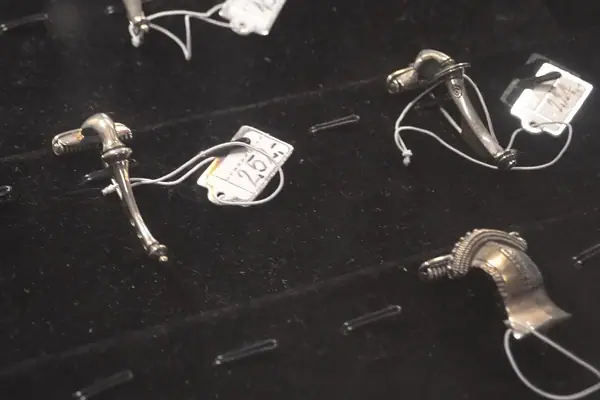 02024 0246 Silver replicas Germanic fibulae from the Roman imperial periodPoland
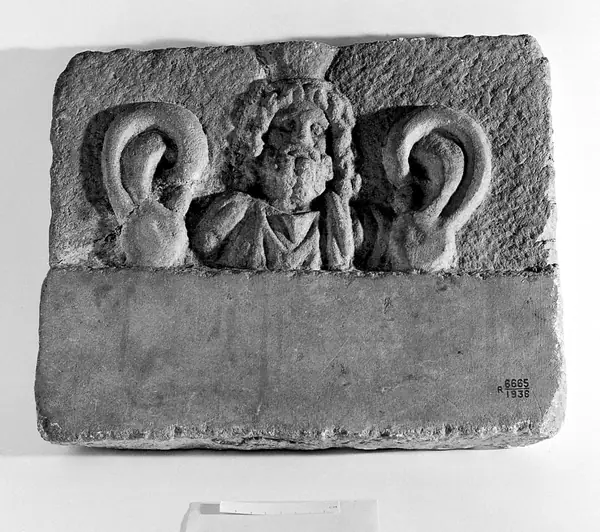 Marble votive plaque with relief bust, possibly Serapis.
 Mascot OlympicsGreece · 1992
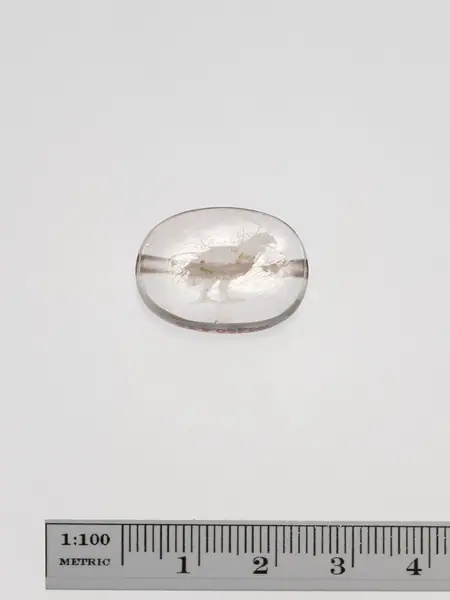 Rock crystal scaraboid sealcirca 450–400 B.C.
 Amuletă phalloidăRomania
 amuletăRomania
More from Greece, Etruria & Rome: Gorgoneion (Medusa head) · Bullae · Lunulae (crescent pendants) · Magical gems (Abraxas, Chnoubis) · Amulet capsules & gold lamellae · Anatomical votives · Herakles knots & Sabazios hands
Every type in the gallery
Anything in the gallery can be made: any piece, any tradition, in its own material or yours, by hand from the documented original. Numbered. Price on commission, quoted before anything is made. I reply within one business day.