Lunulae (crescent pendants)
Meaning
The crescent moon: the power of the moon goddess (Selene, Diana, Luna) over growth, women's cycles and the night. Horns pointing upward also echo the protective horn.
Intent
Roman girls wore it until marriage, as boys wore the bulla, for protection and fertility. It was hung on horses and mules against the evil eye, and women wore it through life.
Significance
The lunula passed from Rome into many later traditions: Slavic lunnitsy, Islamic and Ottoman crescents, Neapolitan charms, and the horse brasses and crescents on harness still sold today.
History
Crescent pendants appear in the Bronze Age Near East and were common in the Roman world from the 1st century BCE to the 4th century CE. The Old Testament (Isaiah 3:18) mentions crescent ornaments among women's jewellery.
Making yours
2–6 cm crescent with horns up, in gold, silver or bronze, with a loop at the centre bottom.Greece, Etruria & Rome: the tradition
Greeks called amulets periapta or phylakteria, 'things tied on' and 'protectors'; Romans said amuletum or ligatura. Both cultures feared the envious glance, baskania in Greek and invidia or fascinatio in Latin, and answered it with laughter, shock and the power of images: the Gorgon's face, the phallus, the crescent moon. Children, brides, soldiers and livestock were the most protected. Graeco-Egyptian magicians of the Roman Empire engraved gems and gold foils with divine names and signs, forming a written magic that passed to Byzantium, Islam and medieval Europe. Pliny the Elder's Natural History (77 CE) records hundreds of amuletic stones, plants and animal parts, and became the source book for later lapidaries.
 Amulet of the Lunar CrescentEgypt · New Kingdom–Roman Period (about 16th century BCE–4th century CE)
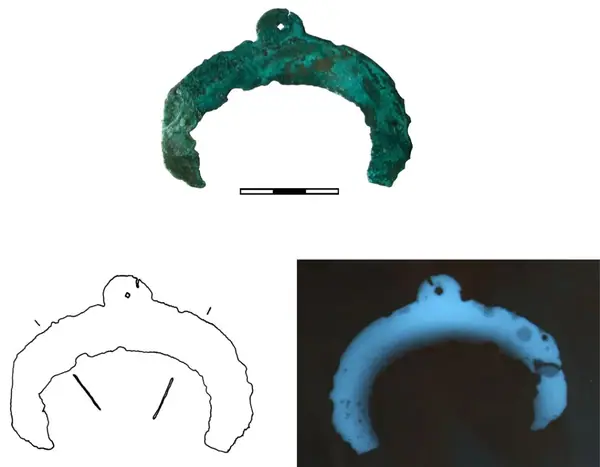 LunularRomania
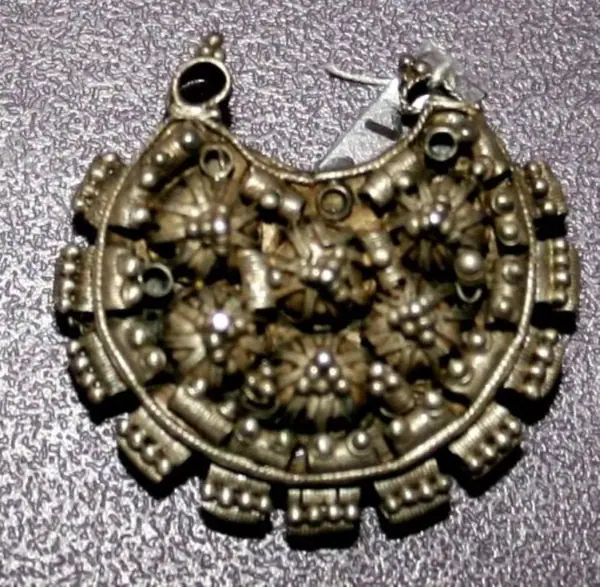 Cercel lunularRomania
 Lunula realizată din argint prin turnare, batere și ștanțare. Elementul de prindere constă într-o protuberanță aplatizată, relativ rectangulară, prevăzută cu un orificiu transversal pentru suspendare.Romania
 BronzlunulaZala County
 lunulaHungary
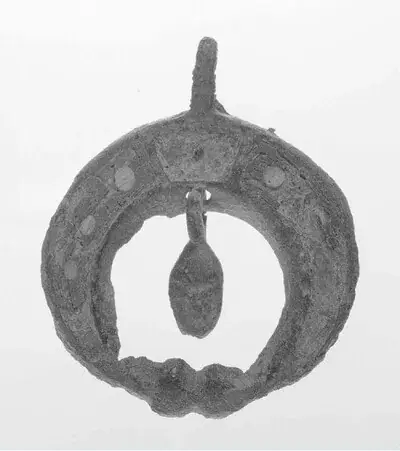 amulet (lunula)Kingdom of the Netherlands
 Roman jewellery - crescent moon amulets
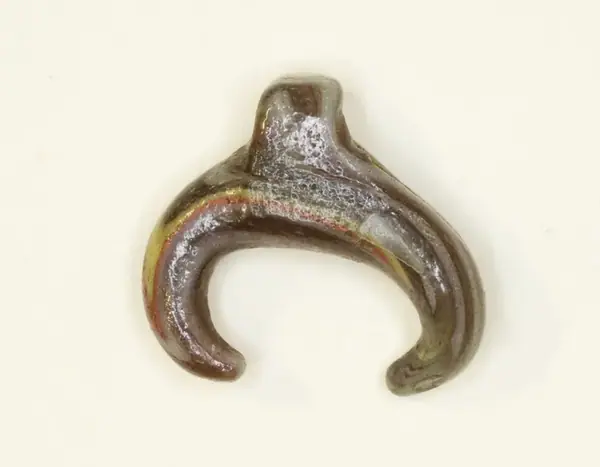 Amulet of the Lunar CrescentEgypt · New Kingdom–Roman Period (about 16th century BCE–4th century CE)
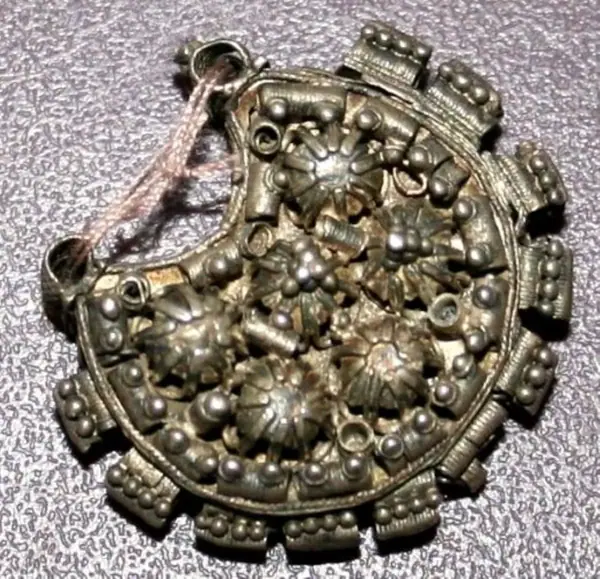 Cercel lunularRomania
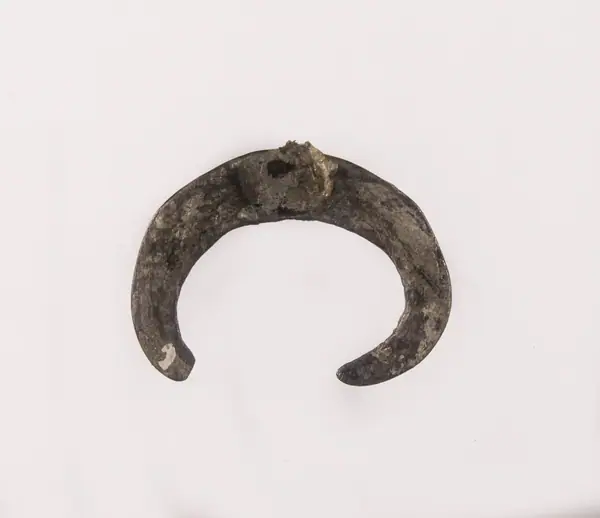 Lunula din argint realizată dintr-o tablă subțire, cu forma tipică, de semilună. Inelul de prindere este rupt.Romania
 Amulet of the Lunar CrescentEgypt · New Kingdom–Roman Period (about 16th century BCE–4th century CE)
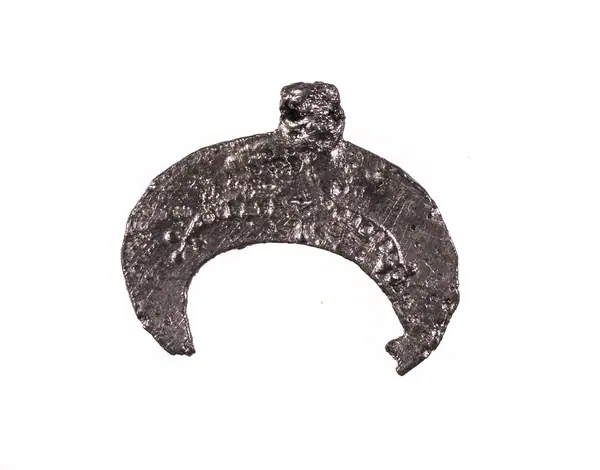 Lunula realizată din argint prin turnare, batere și ștanțare. Prezintă forma tipică, semilunară, cu terminațiile ascuțite. Marginile sunt decorate cu casete în relief pe întreaga lungime. În câmpul inRomania
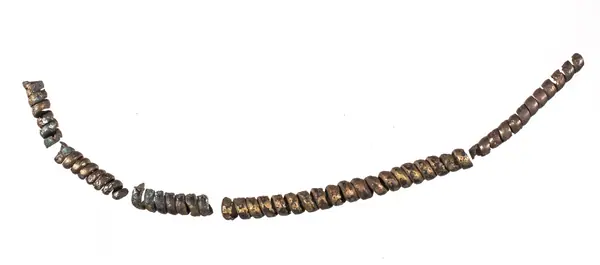 Lunula realizată din argint prin turnare, batere și ștanțare. Prezintă forma tipică, semilunară, cu terminațiile ascuțite. Marginile sunt decorate cu casete în relief pe întreaga lungime. În câmpul inRomania
 Lunula cu forma tipică, semicirculară, prevăzută în zona superioară cu un inel de prindere în bandă lamelară. Piesa este afectată de coroziune.Romania
More from Greece, Etruria & Rome: Gorgoneion (Medusa head) · Bullae · Magical gems (Abraxas, Chnoubis) · Amulet capsules & gold lamellae · Anatomical votives · Herakles knots & Sabazios hands · Other & unsorted Greece
Every type in the gallery
Anything in the gallery can be made: any piece, any tradition, in its own material or yours, by hand from the documented original. Numbered. Price on commission, quoted before anything is made. I reply within one business day.